
Photo Synthesis
CDU's Research through the Lens 2026
Photo Synthesis: CDU's Research through the Lens showcases the visual side of the incredible research conducted at Charles Darwin University in Darwin, Australia across all faculties and disciplines
Top 20 Shortlisted Photographs
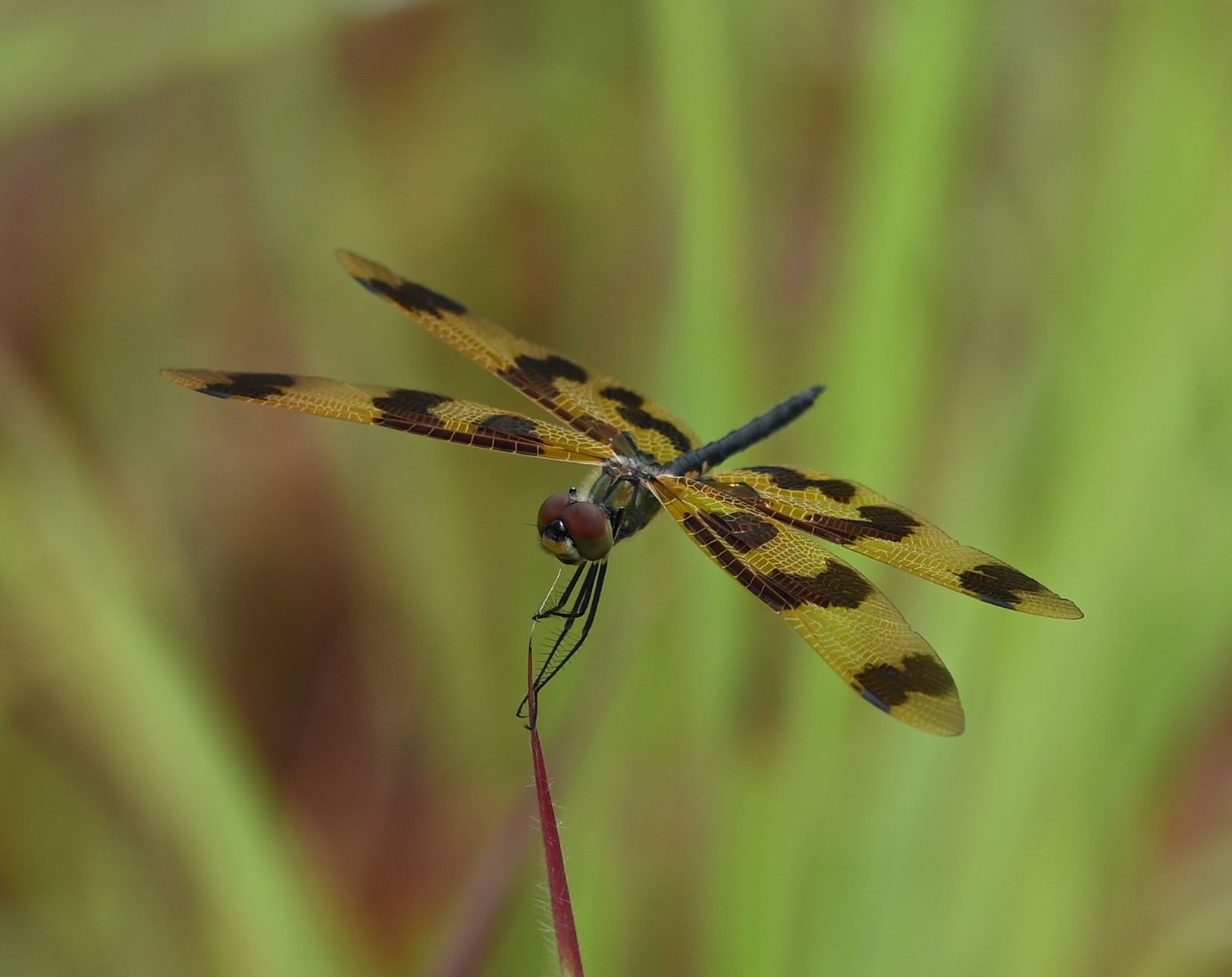
Winged Jewel by Jenny Davis
Dragonflies and damselflies, brightly coloured insects with glistening wings, often perform spectacular aerial gymnastics at floodplain wetlands across northern Australia.
I photographed this dragonfly, the graphic flutterer, Rhyothemis graphiptera, on the Adelaide River floodplain in February.
These insects are an important part of wetland foodwebs. Birds such as rainbow bee-eaters hunt the adults, while the aquatic larvae comprise the diet of many wetland fishes.
The arrival of flocks of this species, and other large-winged gliding dragonflies, in Darwin, are welcomed because they are a good indicator that the Dry season is about to arrive.
One of my research projects at CDU has involved creating an app, with the help of my son, James Friend, a software engineer, to aid the identification of Top End dragonflies. The app, Identifly Dragonfly Guidebook, is available for free from the App Store and Google Play.


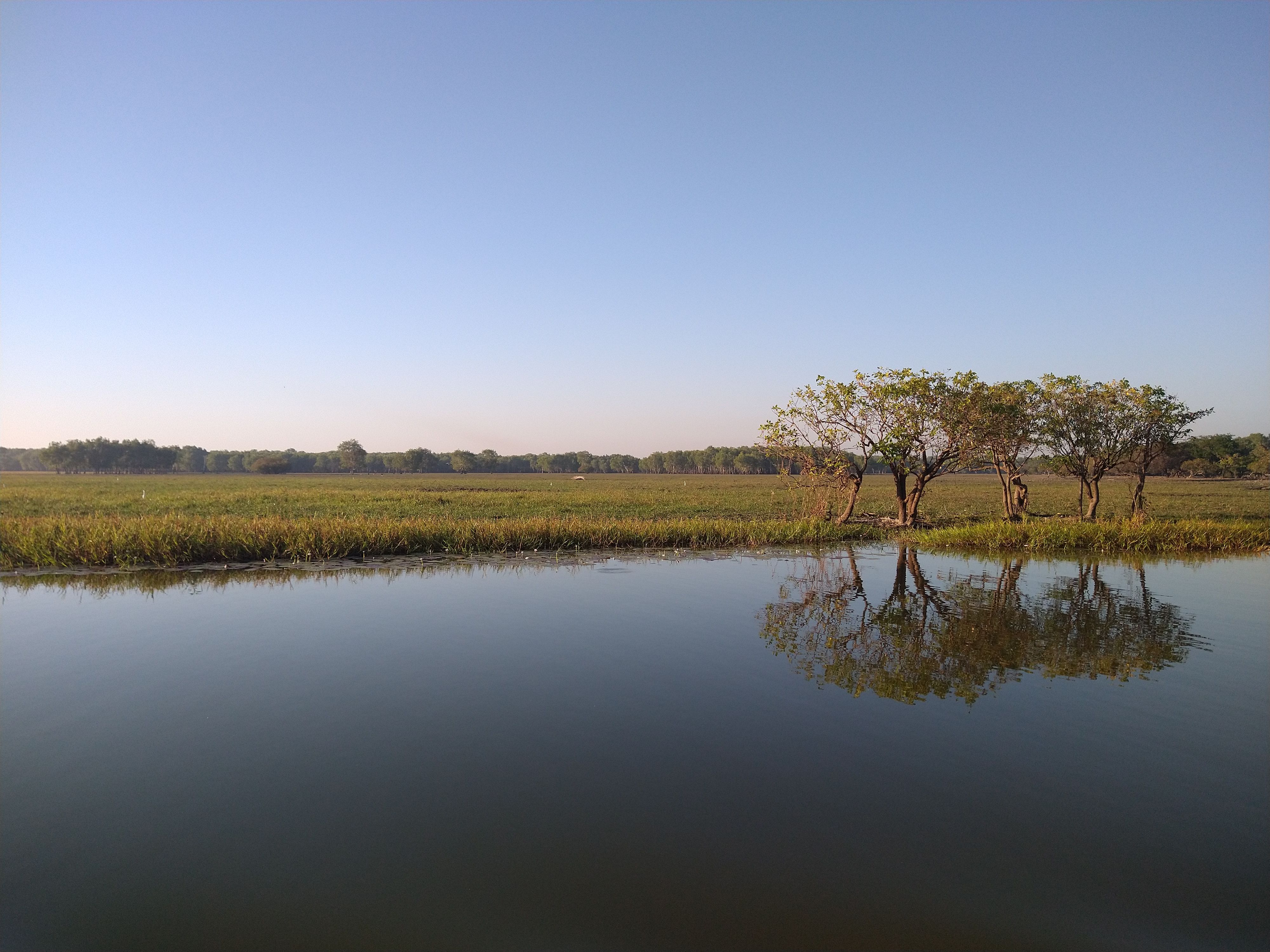
Kakadu wetlands - nature’s own mirror by Kaline De Mello
This photograph was taken during fieldwork in Kakadu National Park. As a wetland researcher at Charles Darwin University, I spend much of my time studying these ecosystems, but moments like this remind me why they are so special.
Wetlands are places of quiet complexity: calm waters reflecting the sky, trees, and birds, while beneath the water's surface, an entire hidden world thrives: fish, aquatic plants, invertebrates, and crocodiles.
What we see above the water is only part of the story. These ecosystems support extraordinary biodiversity and sustain the ecological processes that shape tropical floodplains.
For me, fieldwork is always a balance between research and contemplation. This image captures that feeling: the stillness, the richness of life, and the mystery of wetlands, where science and wonder meet.
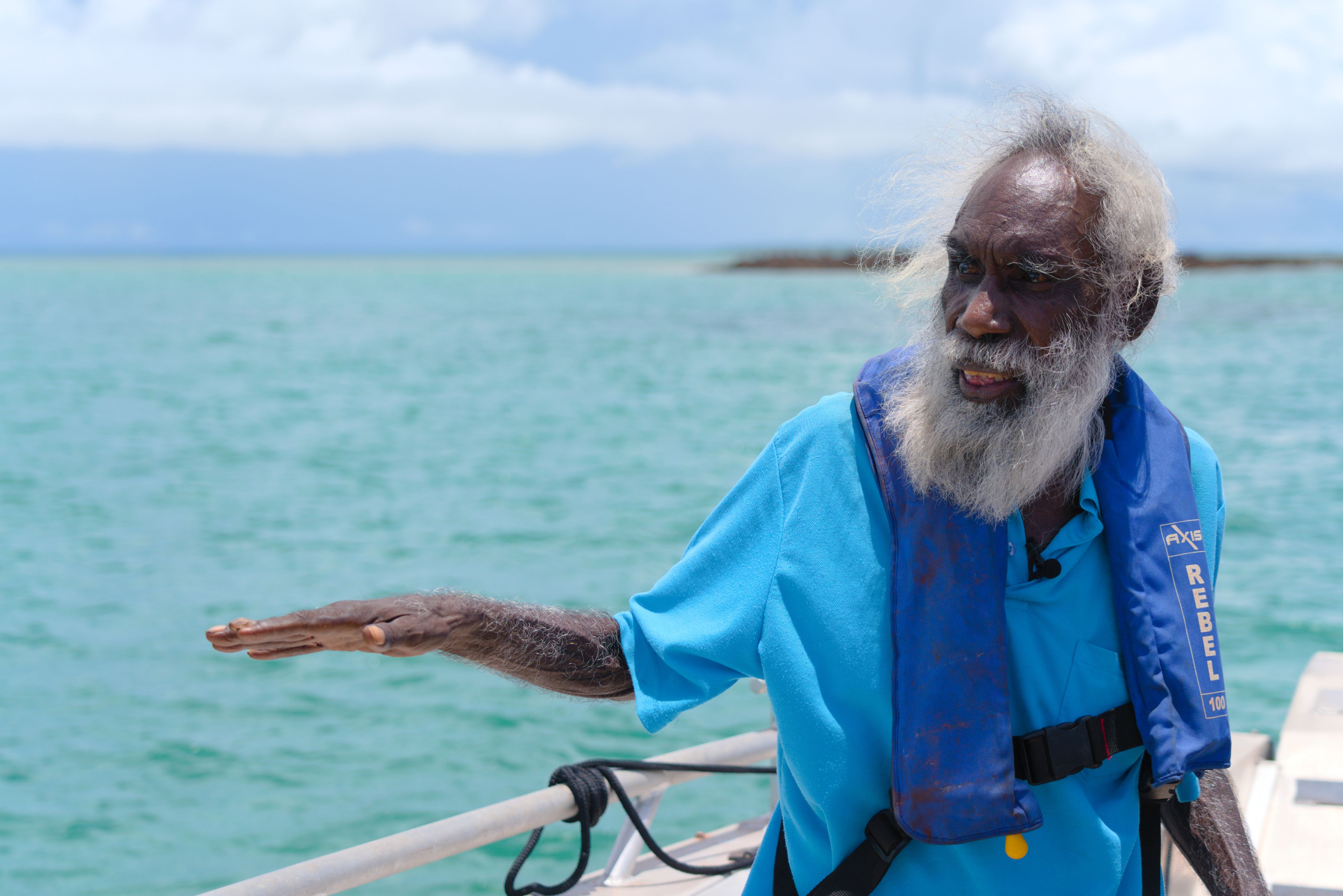
Don Manjeridju Wilton with his Sea Country by Sam Williams
Saltwater elder Don Manjeridju Wilton surveys the waters he crossed by dugout canoe as a child. Born at Goulburn Island, Don returned by dugout to his father’s Country near Maningrida as a child and has been building the community ever since.
Don spent decades as a community mechanic, keeping cars and graders on the road so that countrymen could access their homelands. Post retirement, Don has been one of the region’s most forceful advocates for Sea Rights and founded Maningrida’s well known fishing enterprise. Countless Bininj and Balanda are indebted to Don’s patience, kindness and wit in working at the interface between two worlds.
A frequent mentor in work with universities around Australia, this photo was taken on a recent project with Sam Williams. Don and a large group of saltwater Elders from Maningrida embarked on a video-making project to pass on the inheritance of Ancestral Country to younger generations.


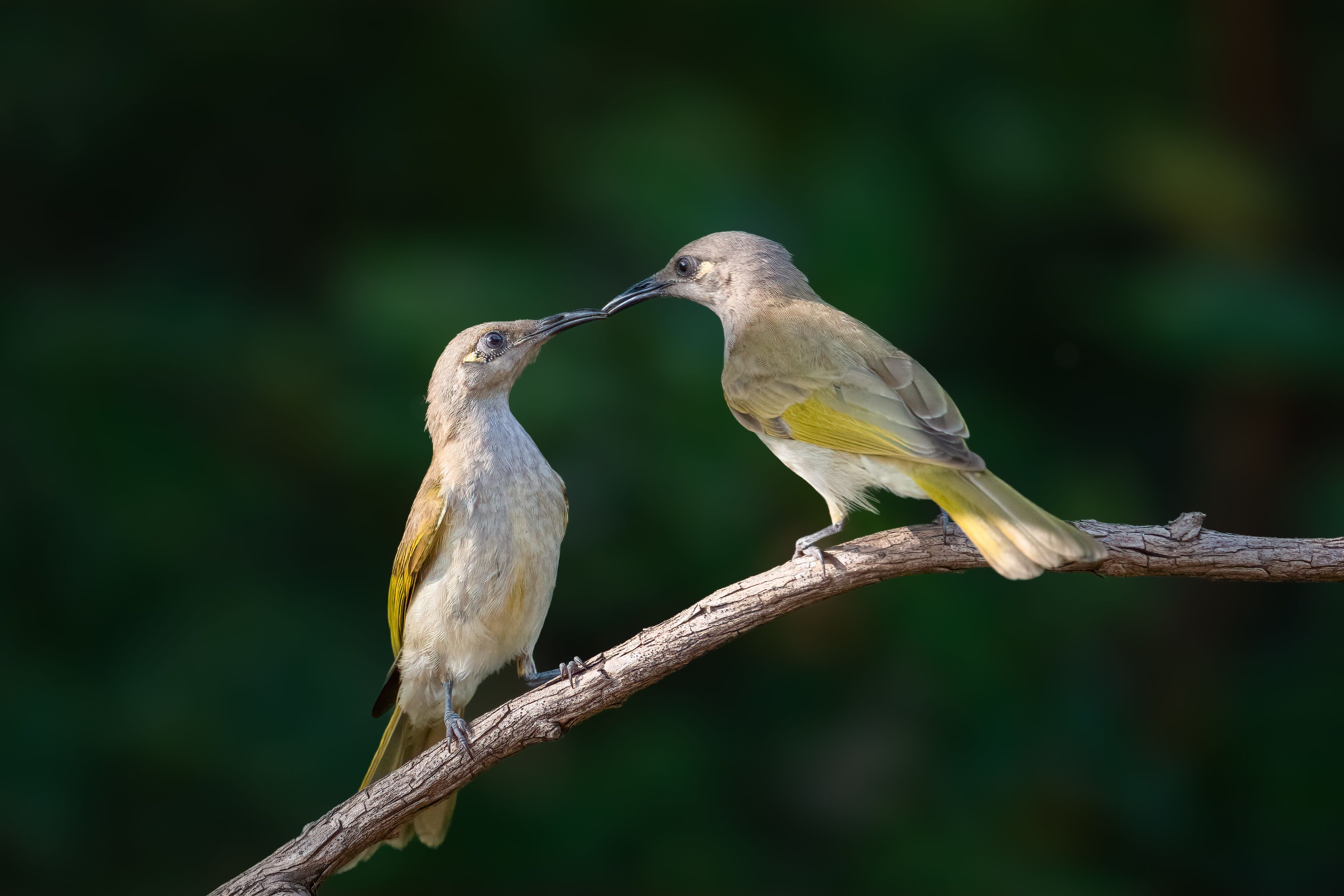
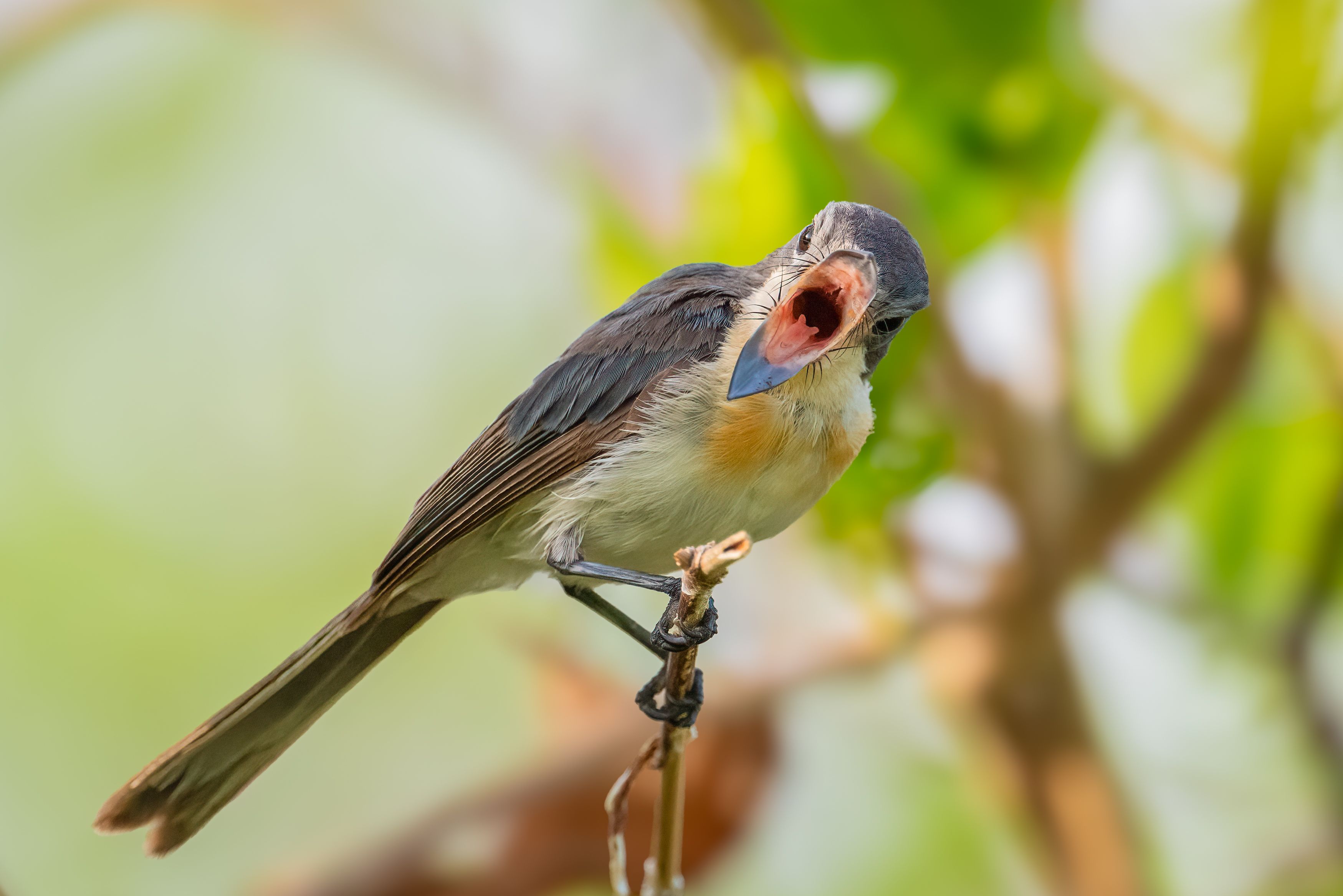
The Kiss by Ulrike Kachel
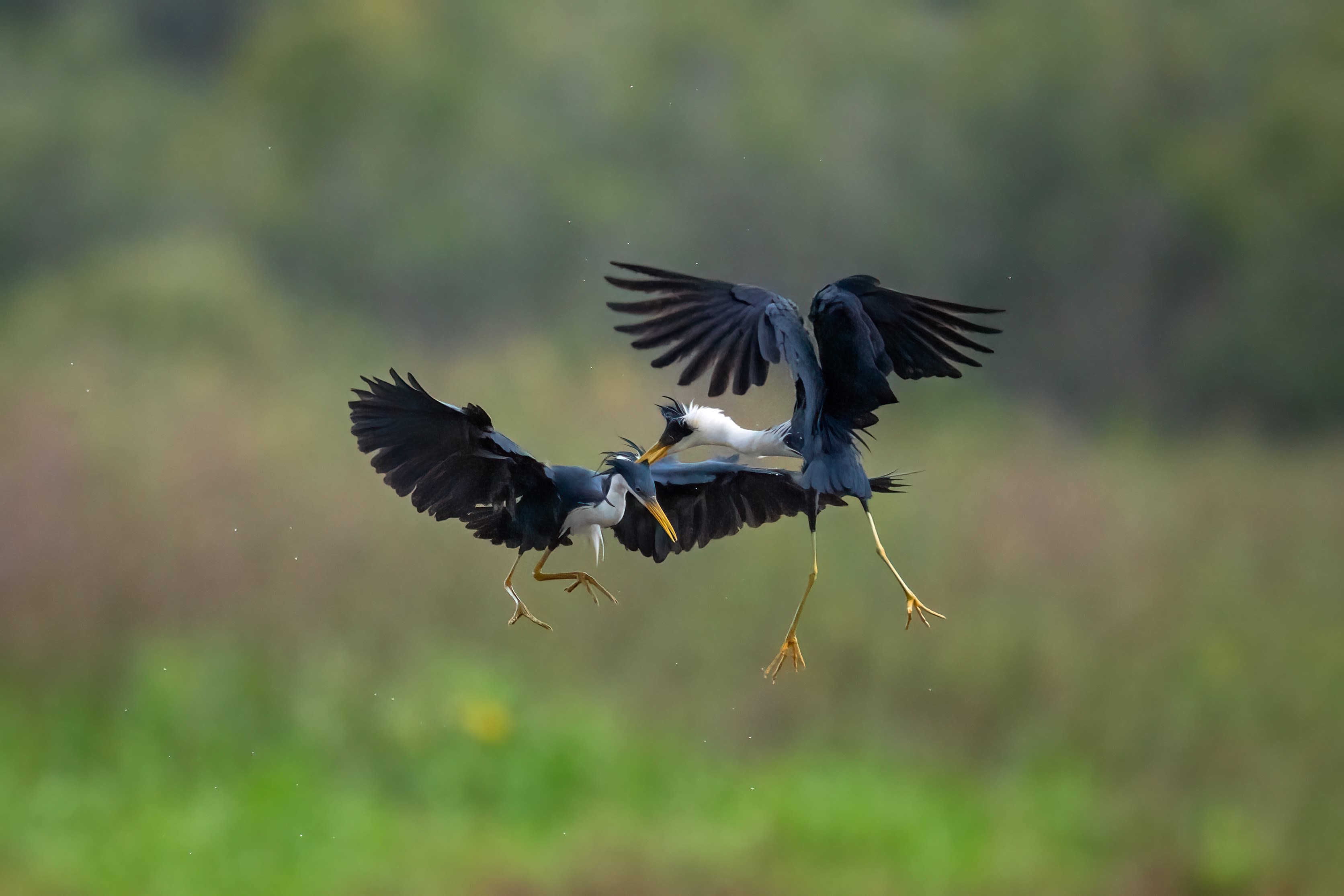
Taken at East Point in Darwin, these two Brown Honeyeaters paused at a water trough long enough to share what looked suspiciously like a kiss.
They’re one of the most common birds around Darwin, and most bird photographers barely give them a second glance, but moments like this make me stop and appreciate just how lovely they really are.
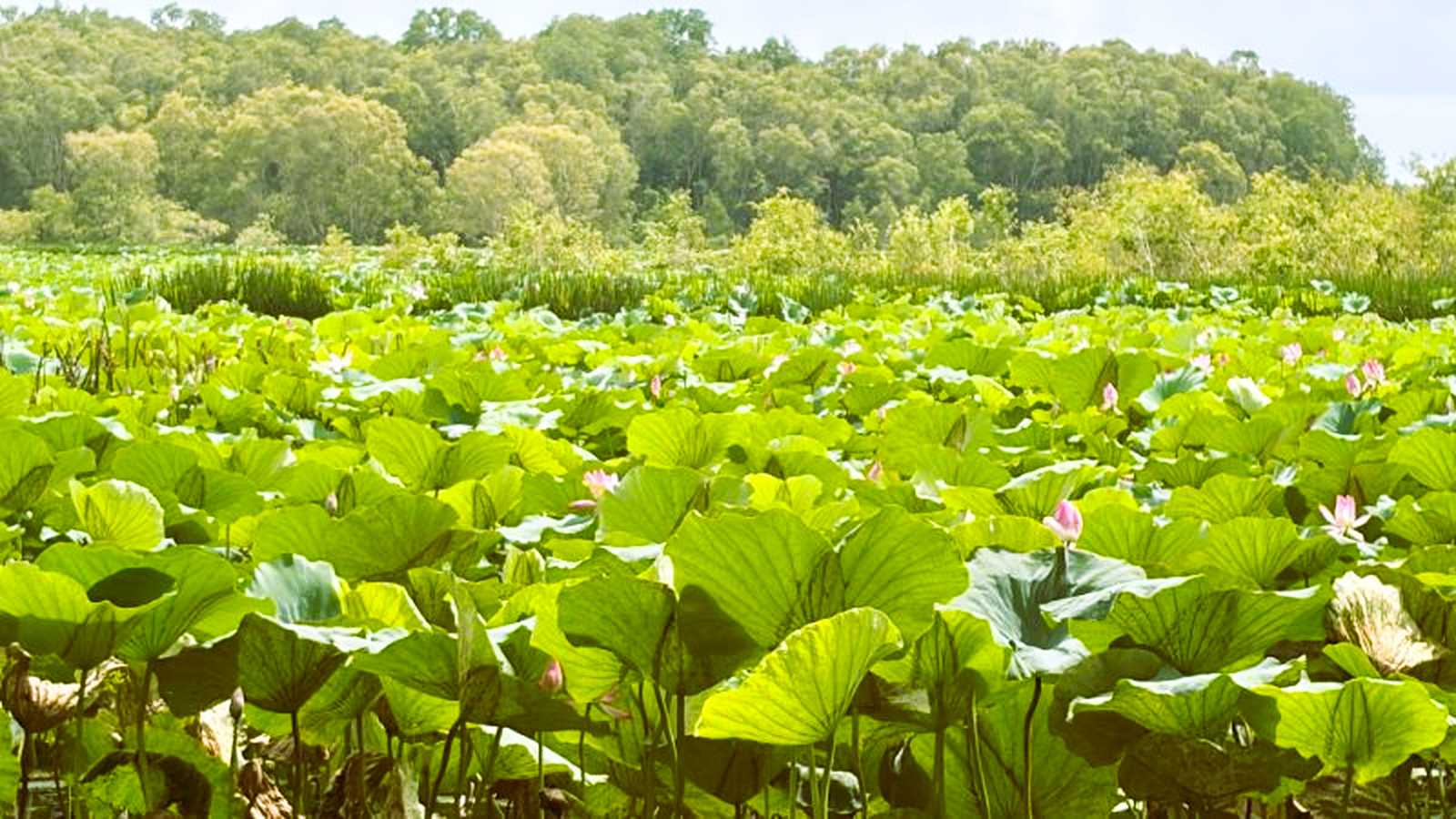
Lush Lotus by Varunika Ruwanpura
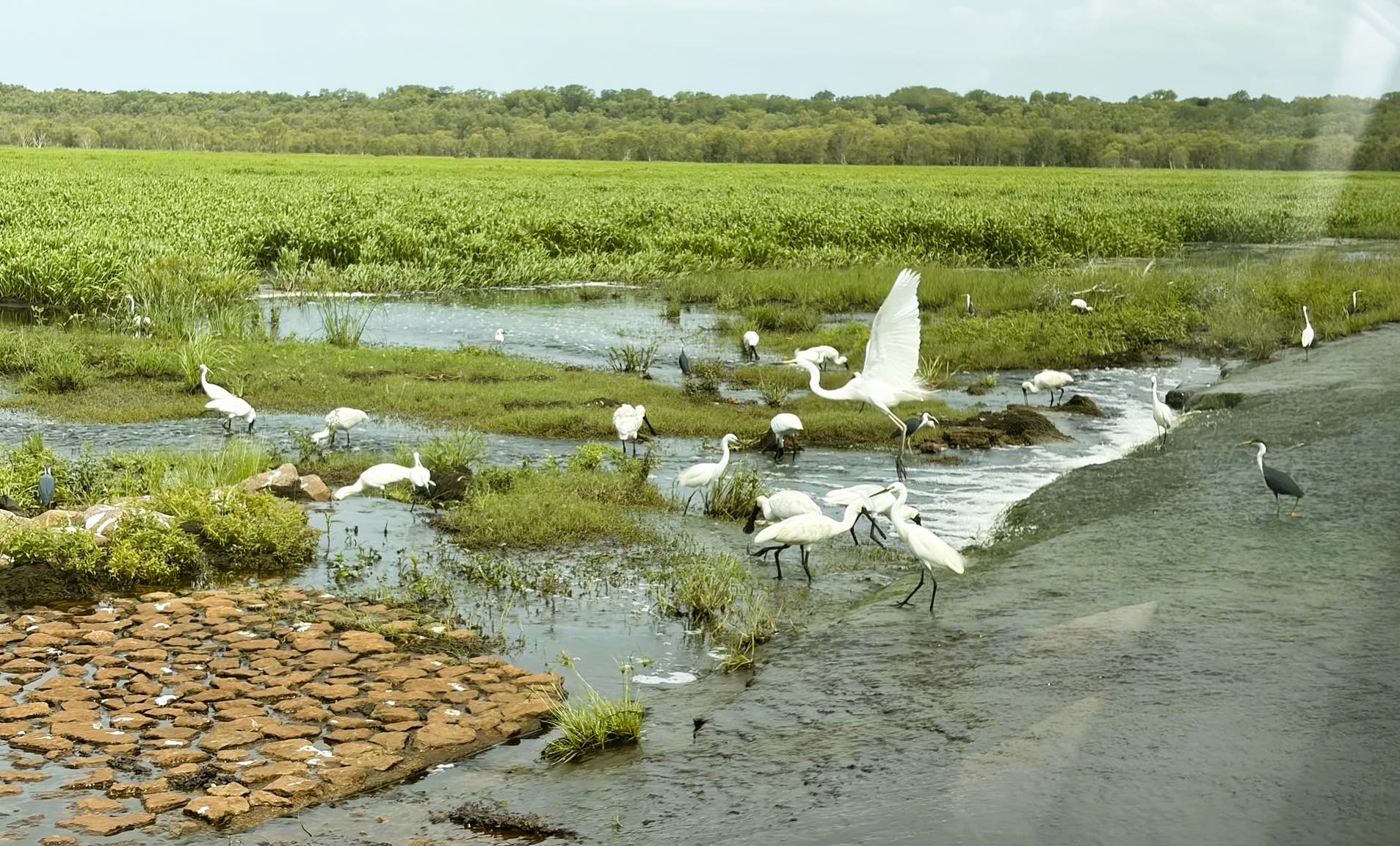
I visit Fogg Dam with my family regularly. Whether it’s in the wet season or the dry season, this place is a haven for birdlife and flora.
Every time I visit Fogg Dam, I’m inspired by the stunning landscapes and birds that I see here. The lotus holds a special significance for me as we have the same vast swamps filled with these flowers in Sri Lanka – my country of birth.
Nature and wildlife always inspire my writing and my research.

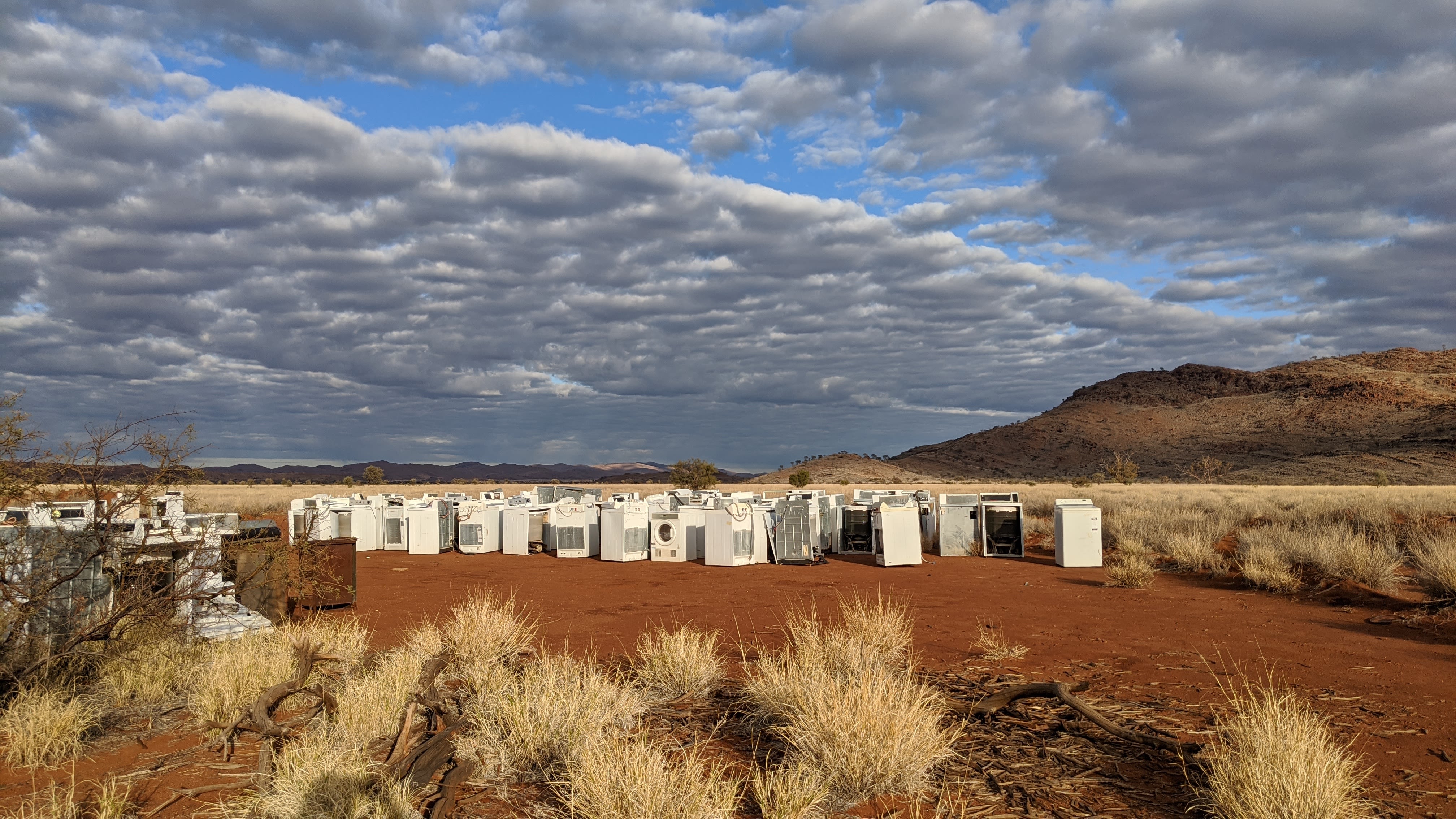
Washing machines for spare parts at Kalka, APY Lands by Liam Grealy
It is a stark scene, this washing machine purgatory that sits on the ancient soil of the Aṉangu Pitjantjatjara Yankunytjatjara (APY) Lands in central Australia.
The washing machines are the salvaged rescues of Scott Robinson, an environmental health worker servicing APY Lands communities through the Aboriginal community-controlled health organisation Nganampa Health Council.
Robinson periodically gleans through machines discarded by the Yulara tourist resorts near Uluru. The machines are typically Maytags or Speed Queens, commercial brands with industrial strength capacities that few community residents could afford to purchase but that are robust enough to wash heavy blankets and serve crowded households.
They are also relatively simple in their componentry compared to newer digital models and thus easier to repair. While many discarded machines are not functional, they can be disassembled for recycled components such as drive belts and hose fittings to extend the life of other machines in remote community households.
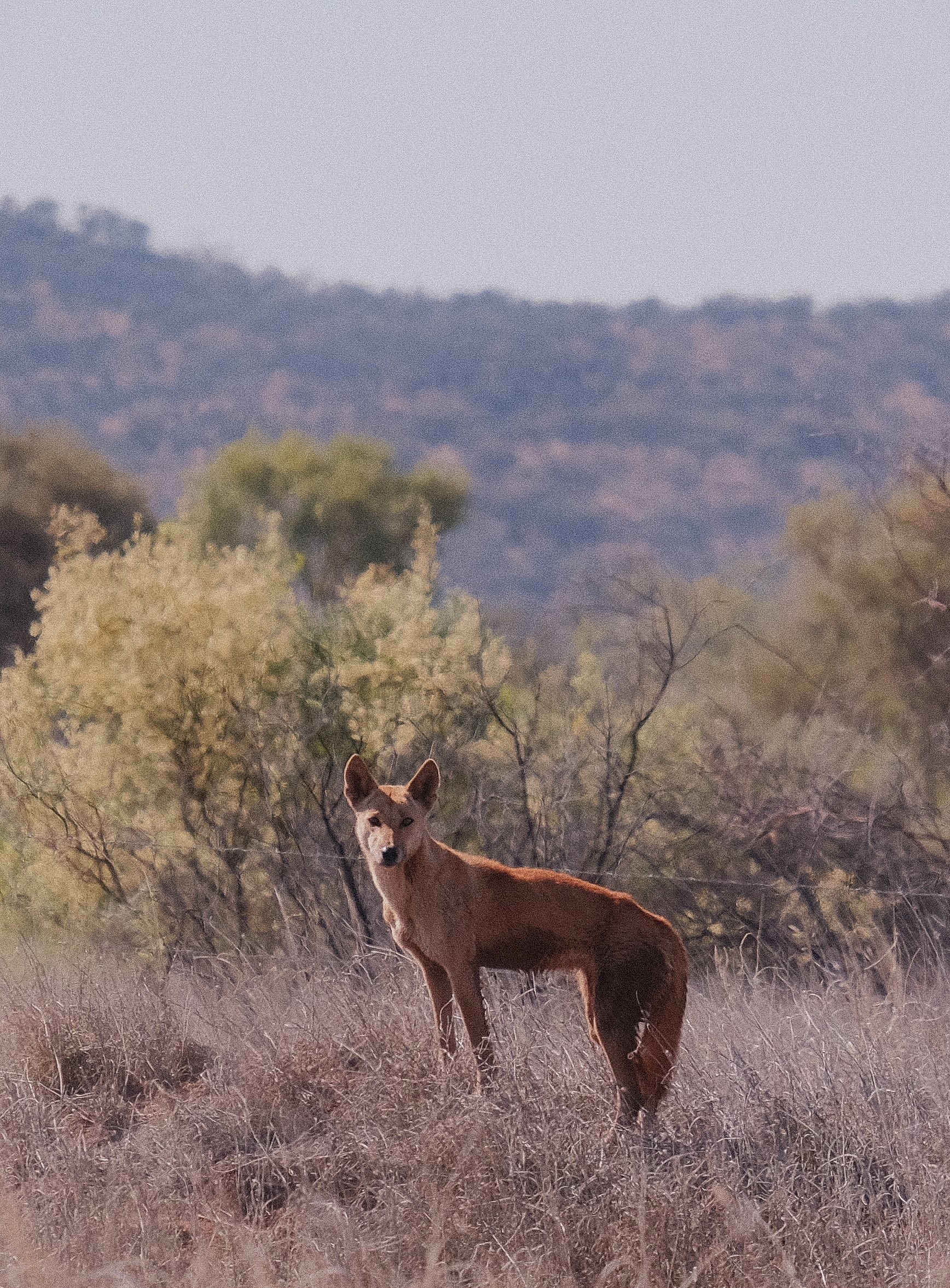
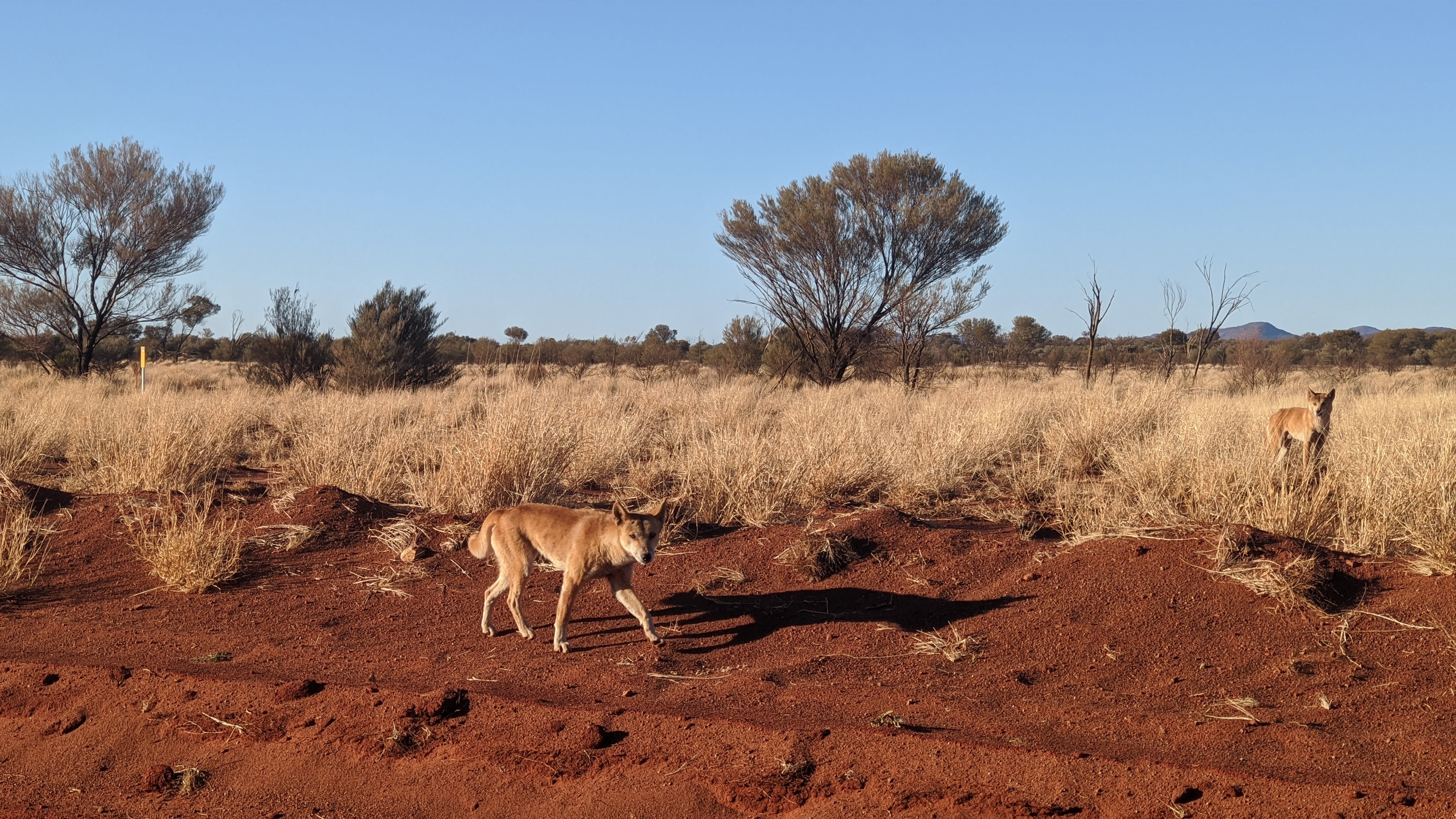
Apmerele antheke by Kelsie Kahl and Kynan Barnes Ampetyane
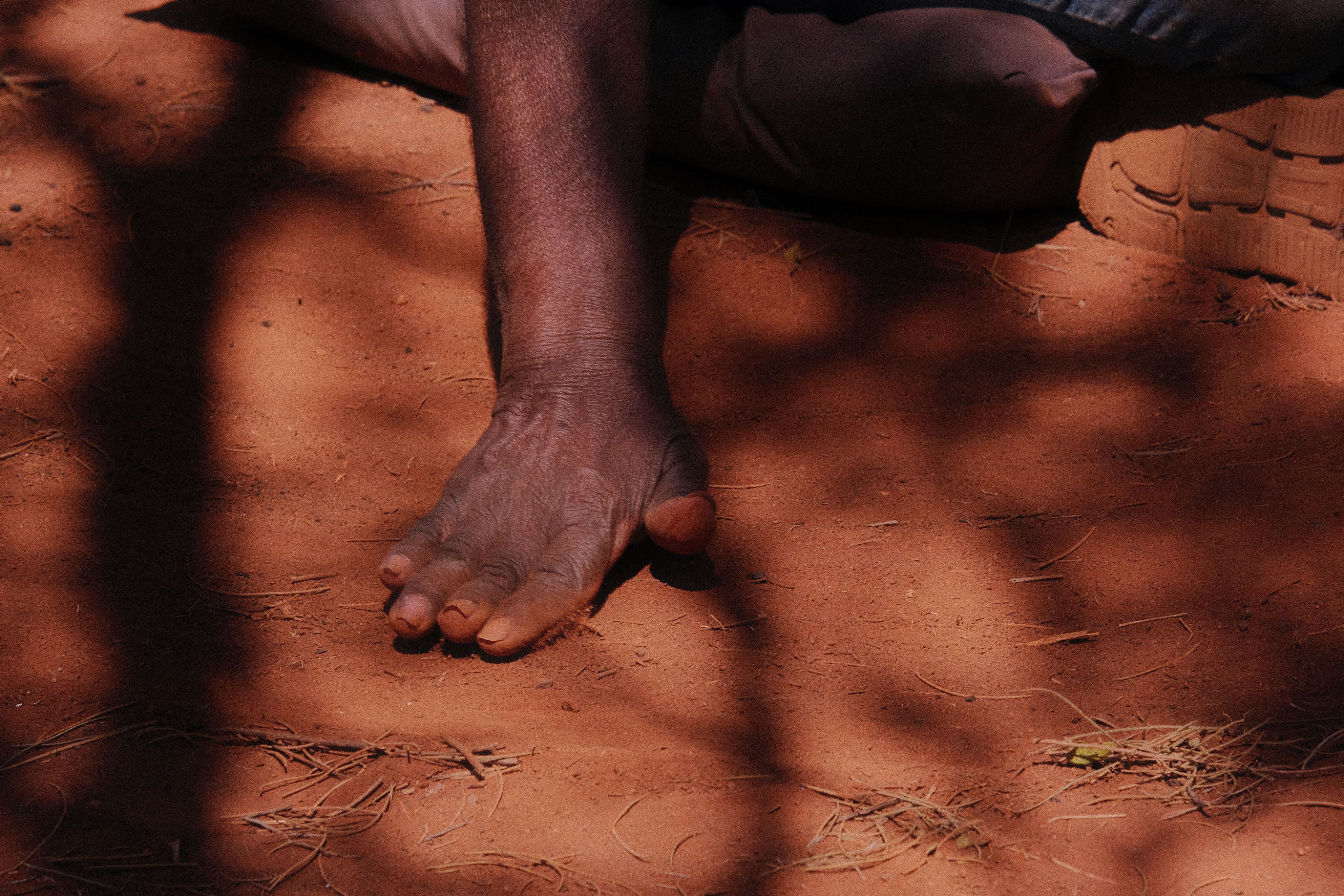
This photo was taken during fieldwork for Kelsie Kahl's research project “That’s our life. Our existence is bush foods. Kere and merne, from Country.”: Arrernte food knowledge systems, as told by Arrernte Elders from Apmwerre, Arnapipe.
As we were travelling around Country looking for Arrernte foods, Arrernte Elders were talking about the meaning of Apmerele antheke (blessings from Country through honour and respect when you give Country something and Country reciprocally gives you something in return).
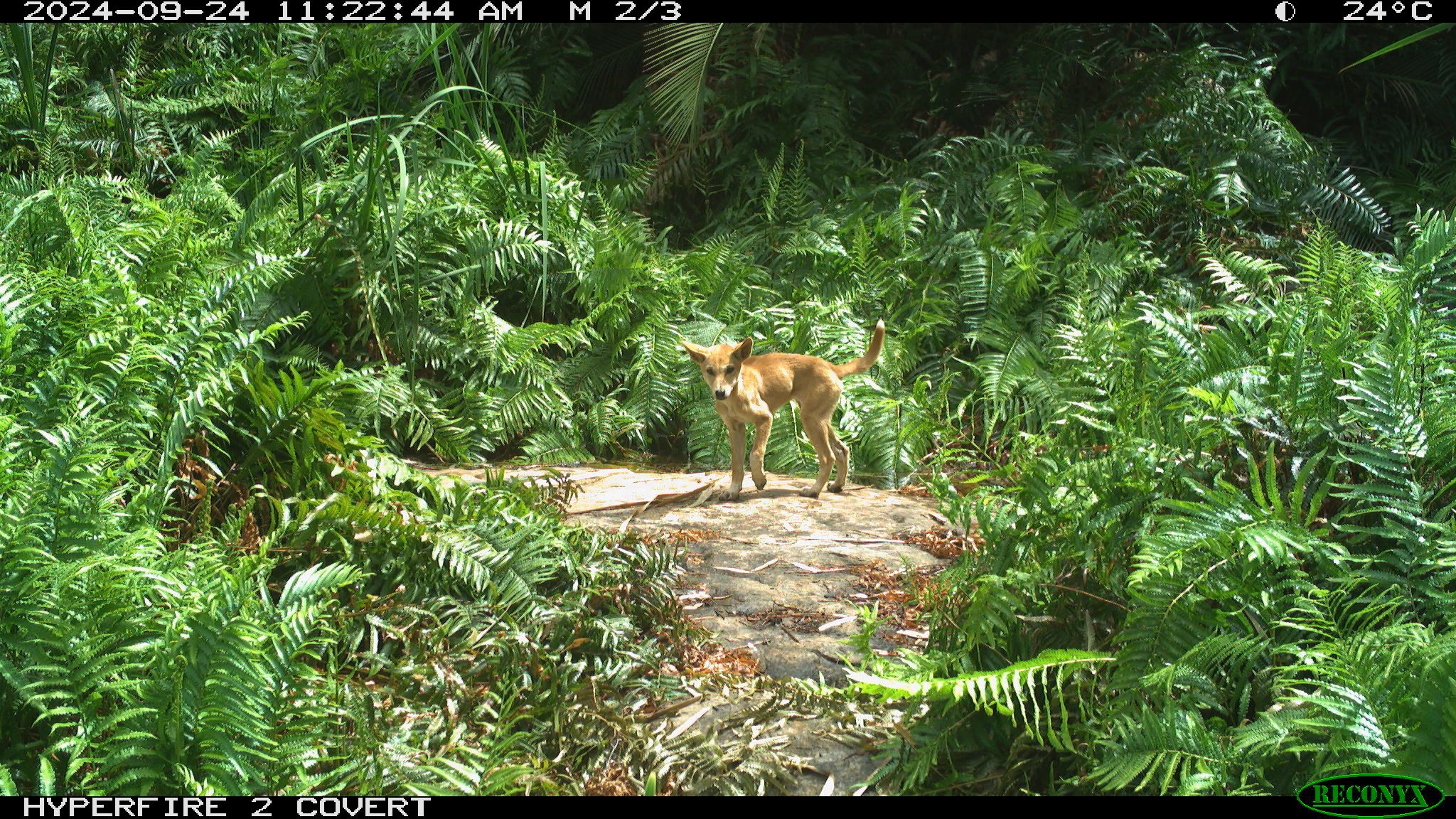
In this moment, a dingo appeared to the right of the road we were driving along. The dingo walked slowly onto a rocky rise in the Country and peacefully looked at us until we left.
It is known dingoes live on this Country and they can sometimes be heard, but they are rarely seen, “Country showing off at us look – Apmerele antheke.” - Pamela Lynch Kngwarraye.


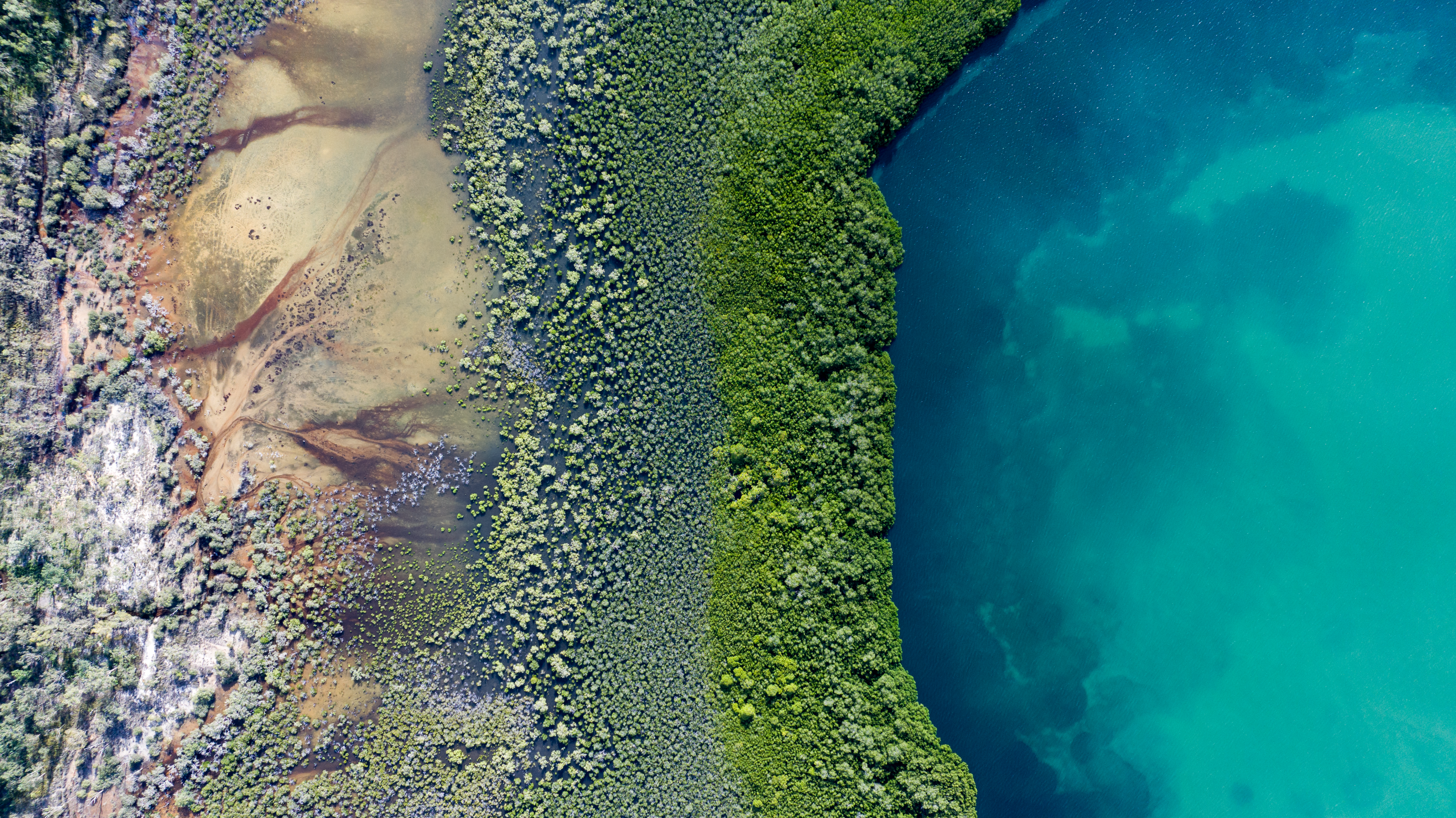
Deception Bay, Groote Eylandt by Valentin Thépot
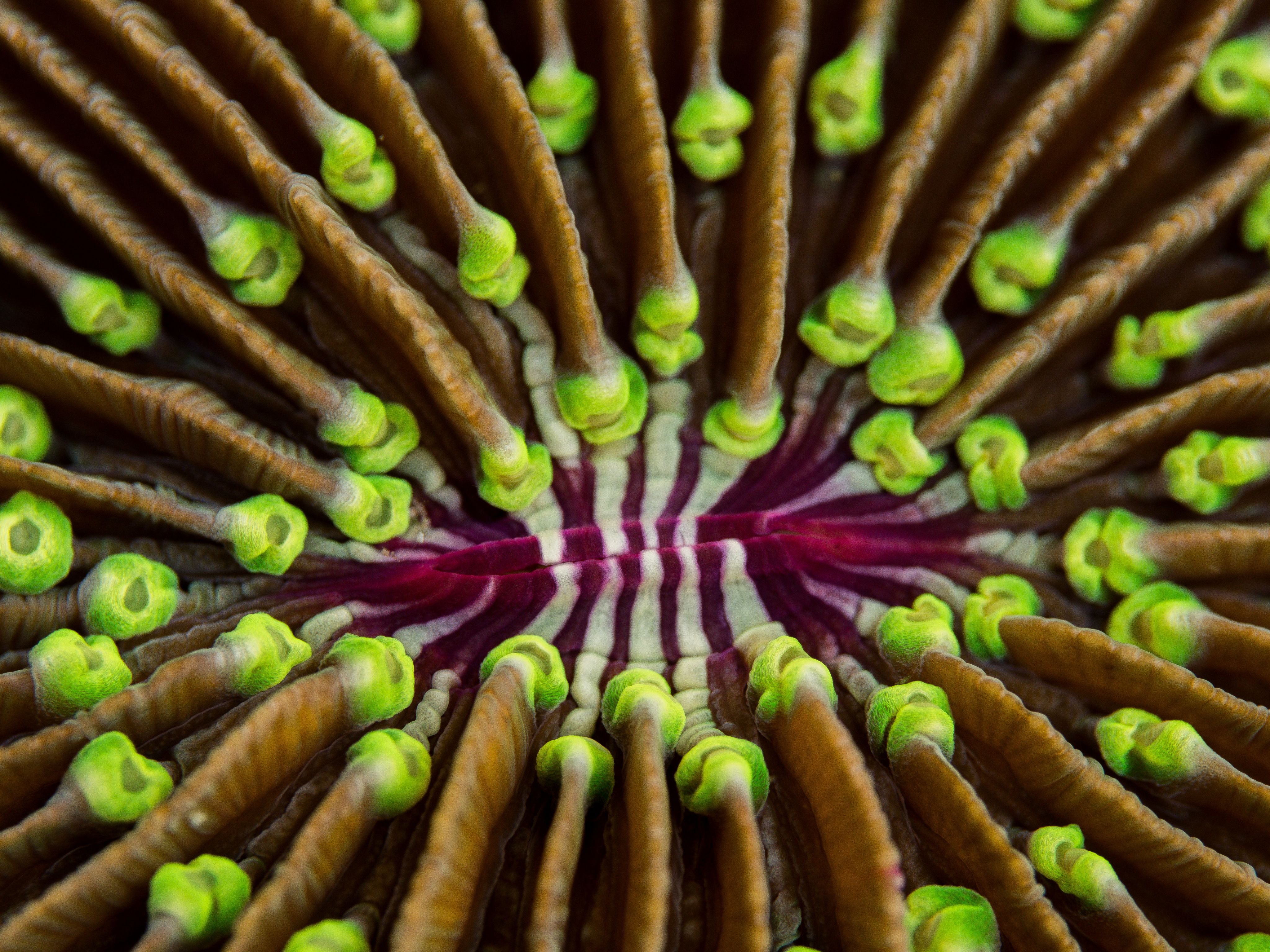
On the Sea Country of the Anindilyakwa, Deception Bay lies along the coast of Groote Eylandt in the vast Gulf of Carpentaria. Sheltered by headlands and reefs, it has long provided refuge from the powerful cyclones that sweep across northern Australia.
Fringing the bay are dense mangrove forests, extraordinary living systems that quietly sustain the coastline. Their tangled roots create nurseries for fish, crabs and countless marine species while stabilising shorelines and protecting Groote Eylandt from erosion.
Mangroves embody both strength and fragility. They withstand storms, tides and time, yet large-scale die-offs have already occurred across the Gulf of Carpentaria as climate pressures intensify.
Country cares for us, often without us noticing. In return, we must care for Country. Perhaps this image reminds us that we are only a small part of the vast, beautiful, and interconnected web of life that sustains our planet.
Where the dugongs feed, Mabuyag Island, Torres Strait Islands by Rachel Groom
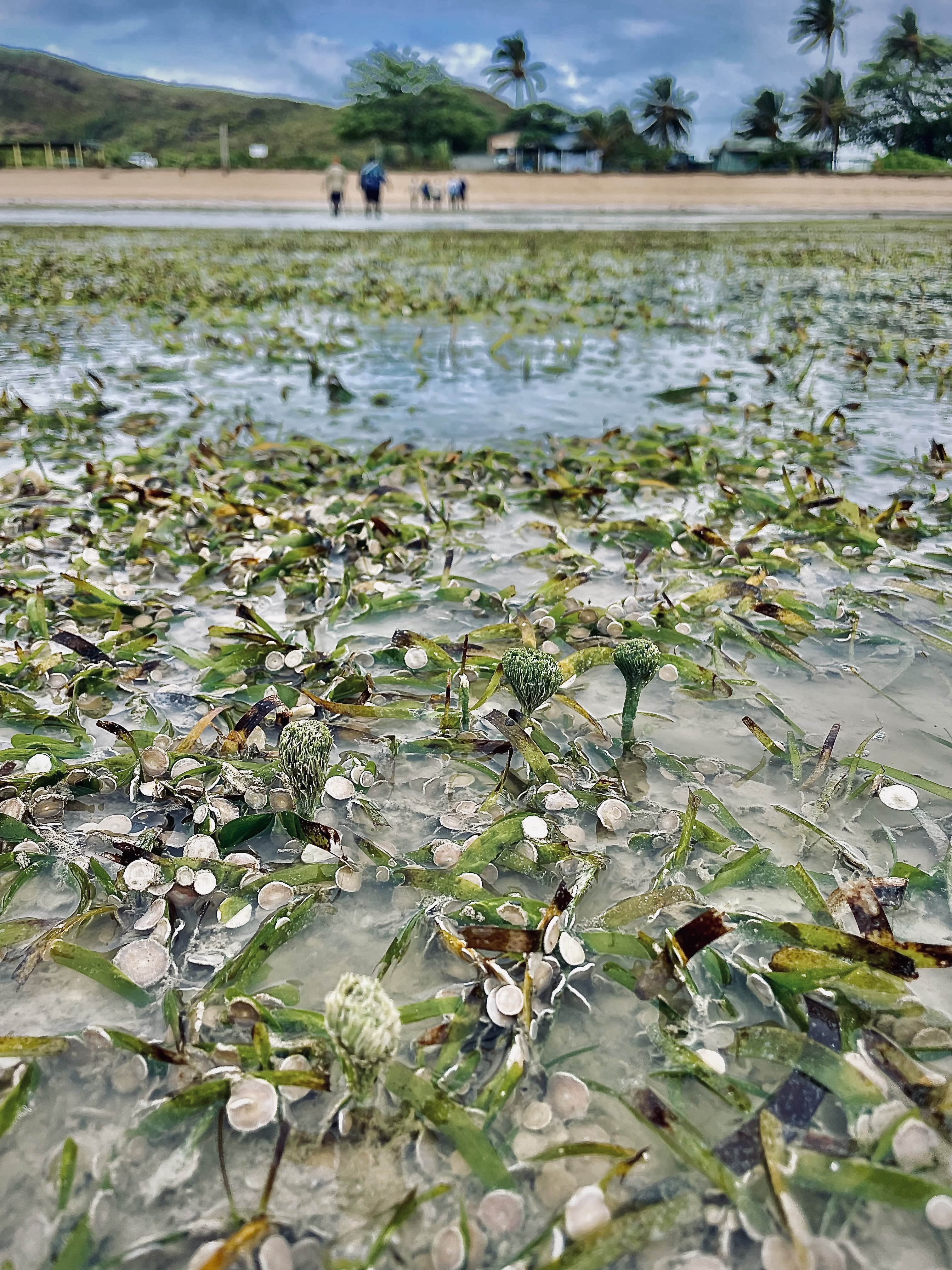
Taken during a seagrass survey on Mabuyag Island, this image captures the texture of an intertidal seagrass meadow monitored by the Mabuygiw Rangers for 17 years.
In the foreground, seagrass, forams and calcareous algae sit in the intertidal zone, revealing the fine detail and productivity of a habitat that is both ecologically rich and culturally important.
Beyond the meadow, Rangers and the community move across the shore, reminding us that long-term monitoring is grounded in place, people and connection with Country.
These surveys have built a vital record of how seagrass changes through time in response to severe weather, climate variability and dugong grazing and movement. That knowledge matters deeply.
Seagrass is the primary food source for dugongs, a species of profound cultural significance on Mabuyag. Through this long-term partnership, Rangers strengthen their understanding of the impacts of climate change on dugong habitat and support informed custodianship for the future.


High-Altitude Sustainability Research by Chrystie Watson
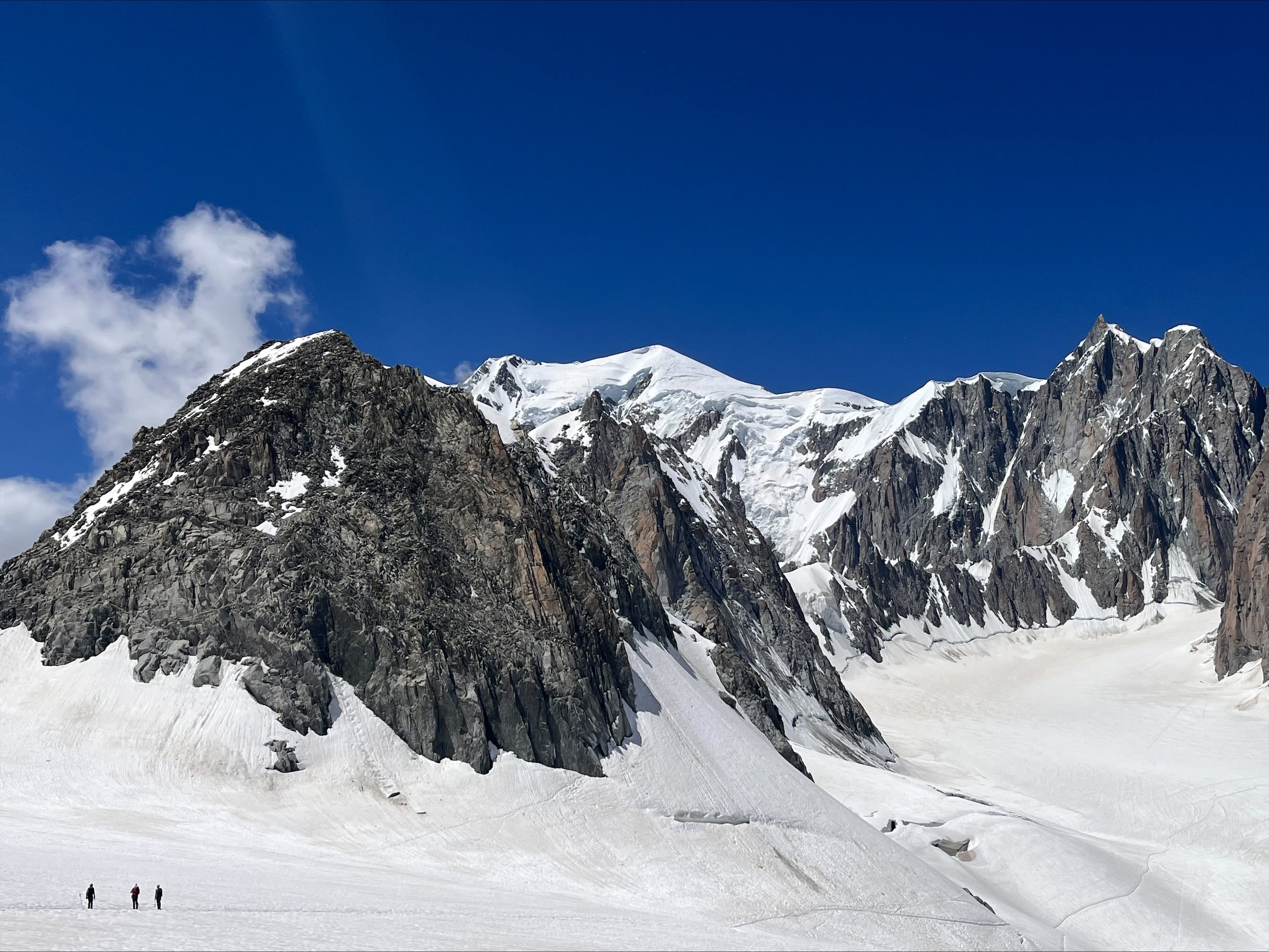
The Seven Summits Sustainability Project research team is studying the impacts of mountaineering activities on environmental, social, and economic outcomes in the Seven Summit regions (i.e. the highest peaks on each continent).
To collect observational data and improve sustainability practices, principal investigator Dr Chrystie Watson, is climbing each of the Seven Summits and working with global industry partners in the mountaineering industry.
Mont Blanc is the highest peak in Western Europe at 4810m. This photo of Mont Blanc massif, with mountaineers in the foreground, was taken in June 2025 from the North-east at about 3300m elevation during an acclimatization traverse of La Vallée Blanche, from Aiguille du Midi in France to Torino Hut in Italy.
The photo expresses the immense beauty and ruggedness of conducting research in these environments.
Virtual (fence) reality by Beth Penrose
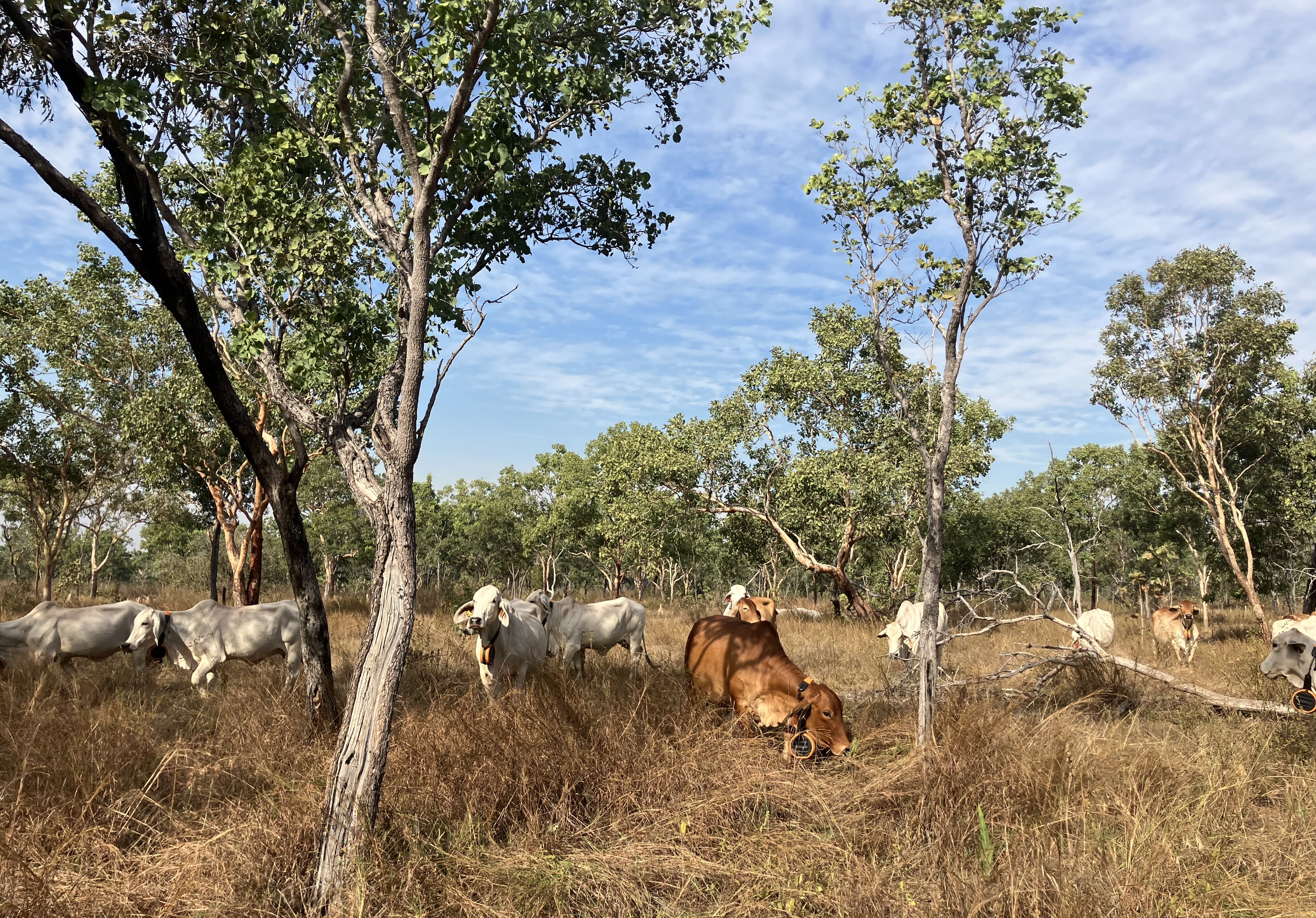
Virtual fencing uses a collar on the animal that recognises a fence that you draw using geographic information system technology.
When the animal approaches the fence, the collar makes a noise. If the animal keeps approaching the fence, the collar will give an electrical pulse.
We can use virtual fencing to exclude cattle from ecologically sensitive habitats, stop animals from overgrazing areas or even to virtually muster cattle.
These are cattle from CDU’s Katherine Rural Campus, who were part of a pilot trial in 2025.


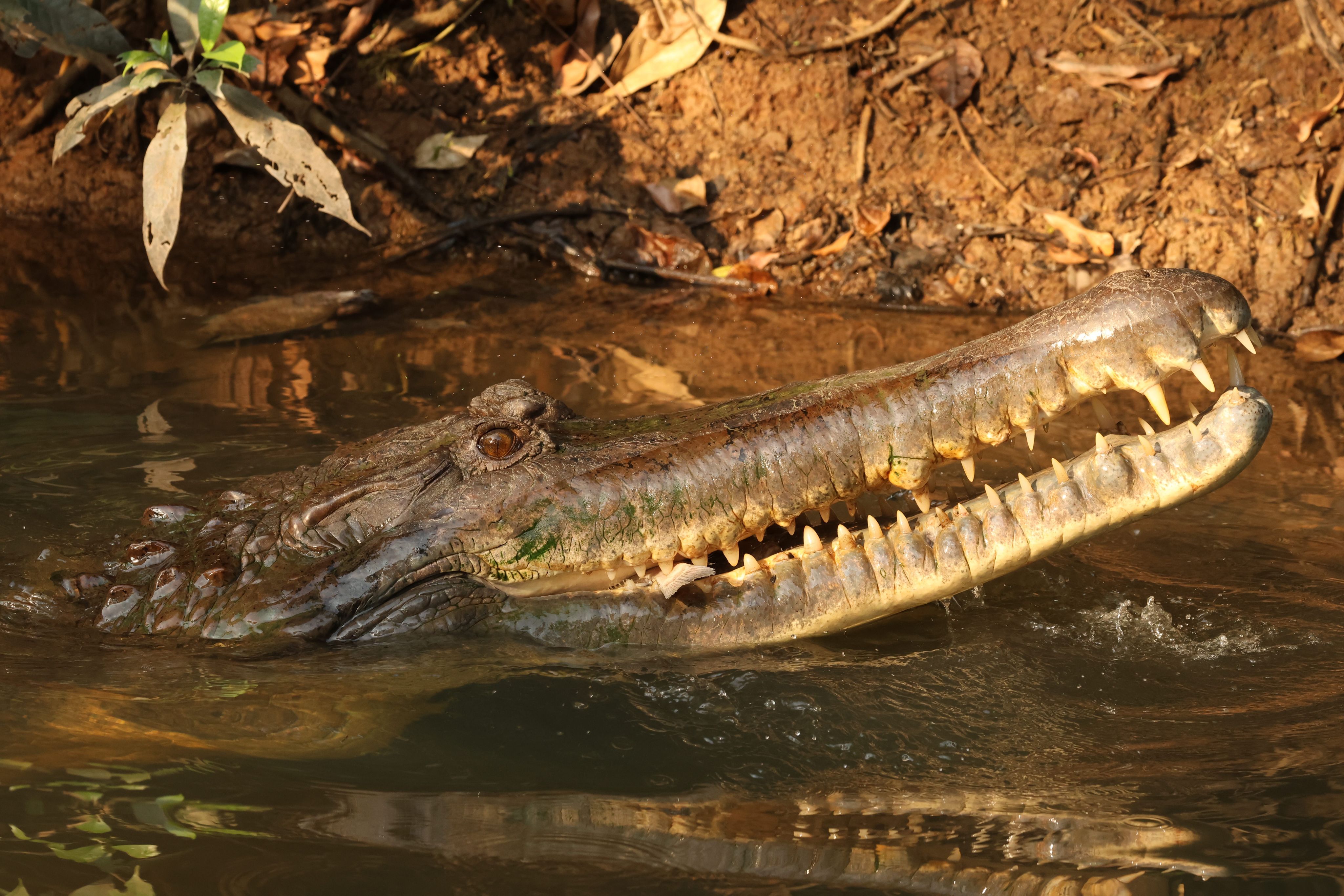
Back From the Brink by Brandon Sideleau
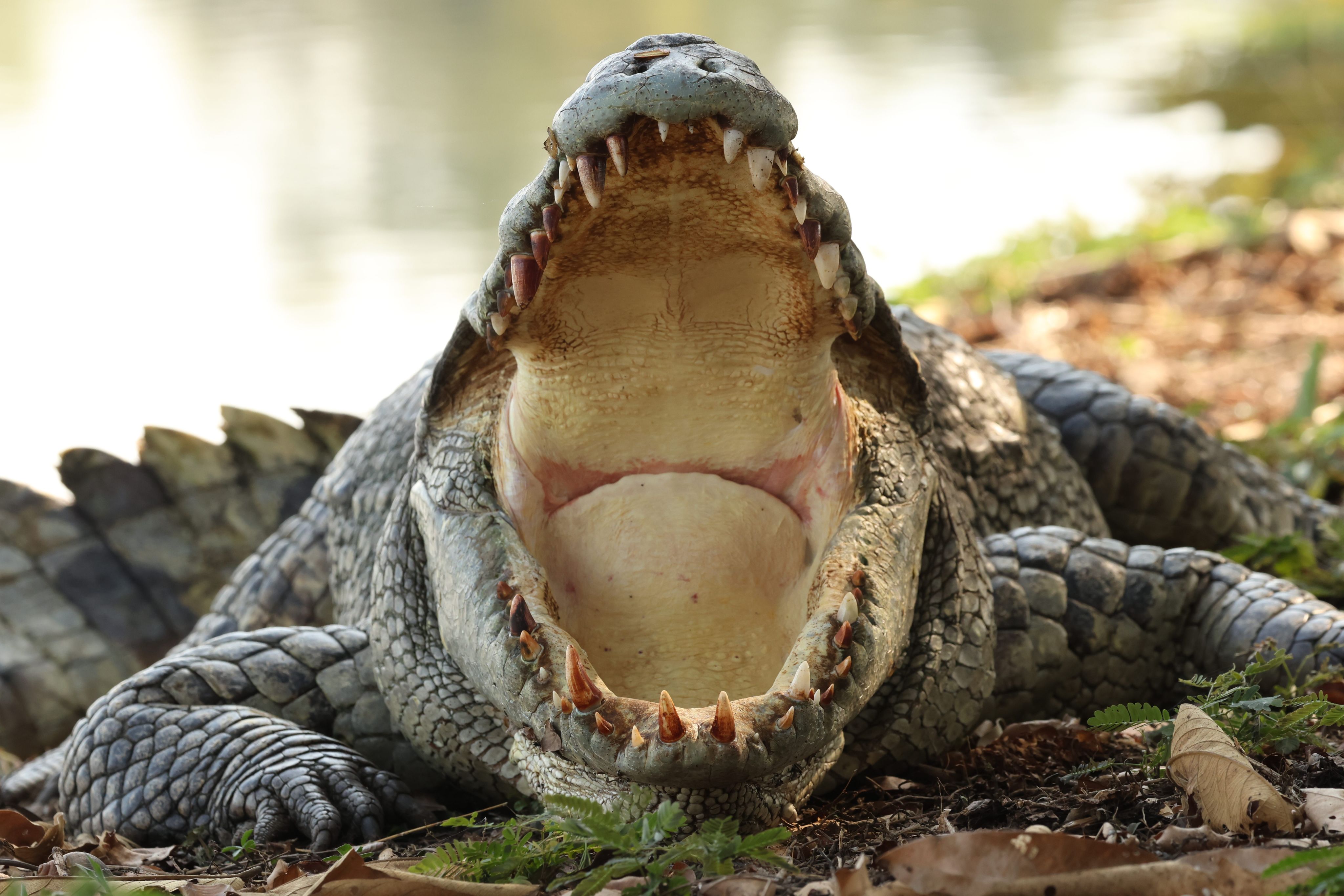
A critically endangered wild Siamese crocodile (Crocodylus siamensis) basking on the bank of Bueng Boraphet wetlands near Nakhon Sawan, Thailand.
The species was virtually eradicated from these wetlands — and across much of its range in Thailand, Cambodia, Laos, Vietnam, and Indonesia — during the 20th century.
The individual pictured is a large adult male, a well-known resident of the wetlands where the species has been gradually reintroduced over recent decades.
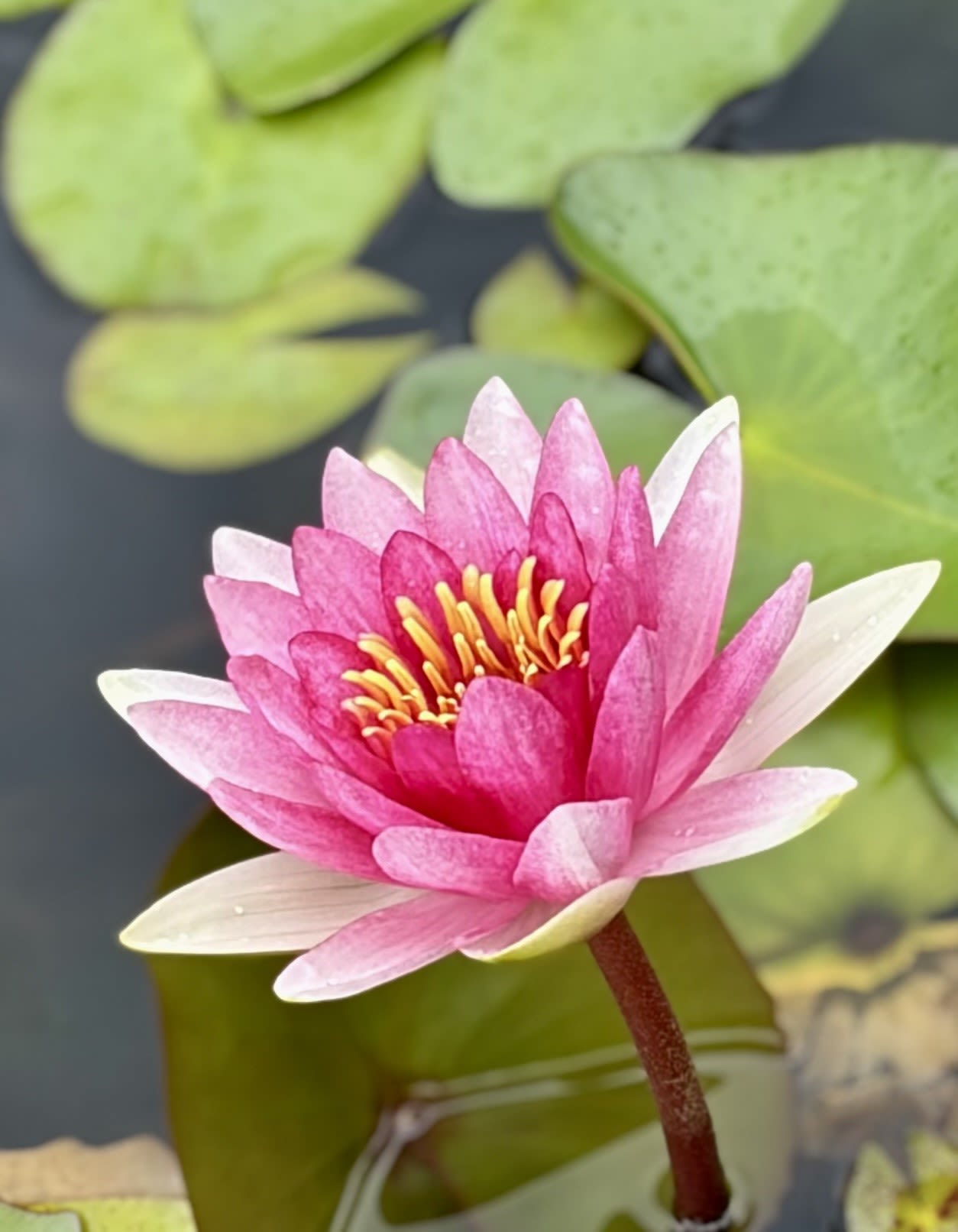
Strength on Still Water by Tracy Woodroffe
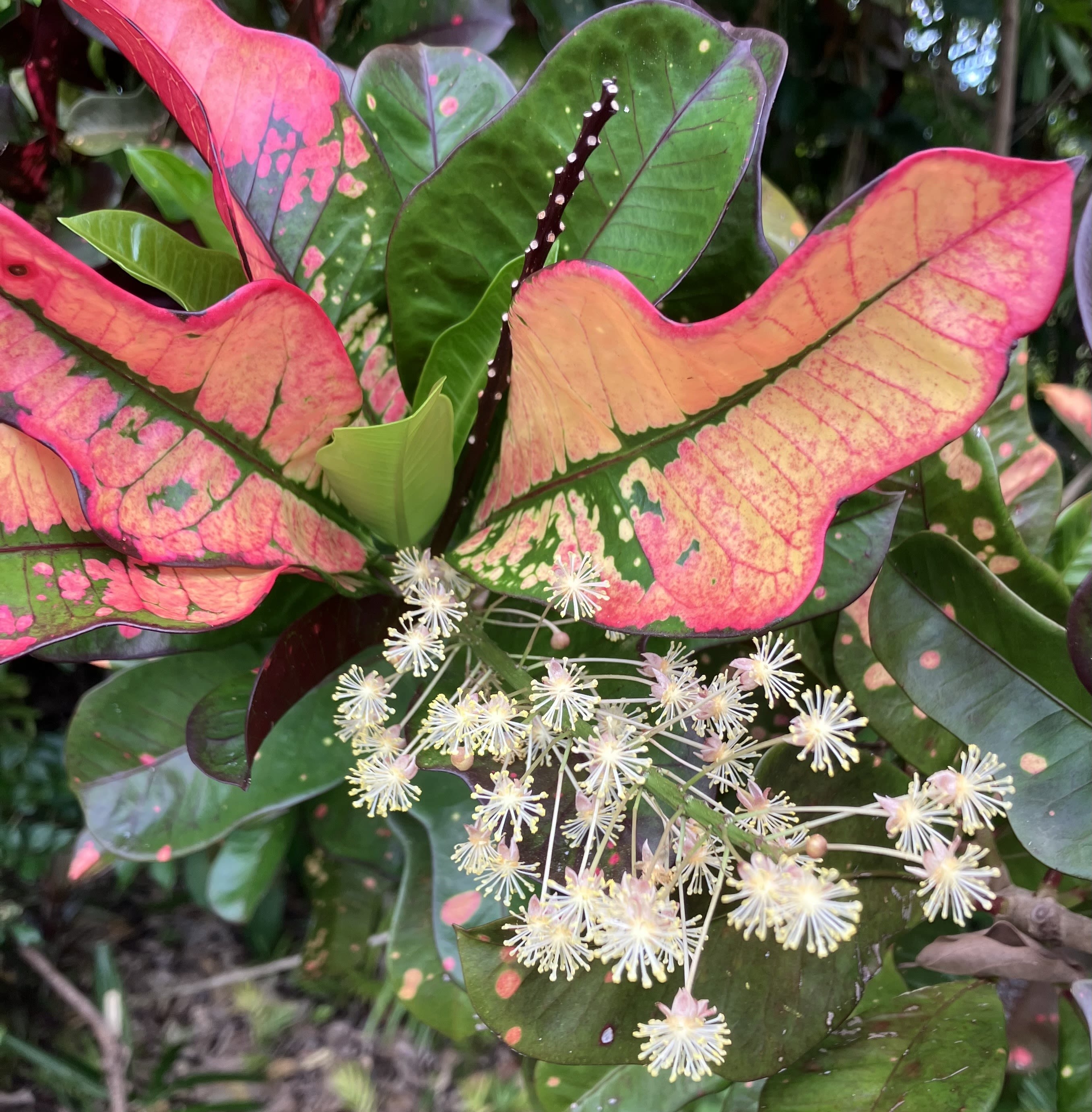
This water lily — quiet, resilient, and unmistakably Territorian — mirrors the beauty and strength I see in Aboriginal ways of knowing.
Captured in the Darwin Botanic Gardens, the flower represents clarity that emerges when we pause and pay attention to the stories held in place.
My research draws from this same grounding: honouring culture, valuing reflection, and recognising the deep knowledge that rises when we sit with Country.


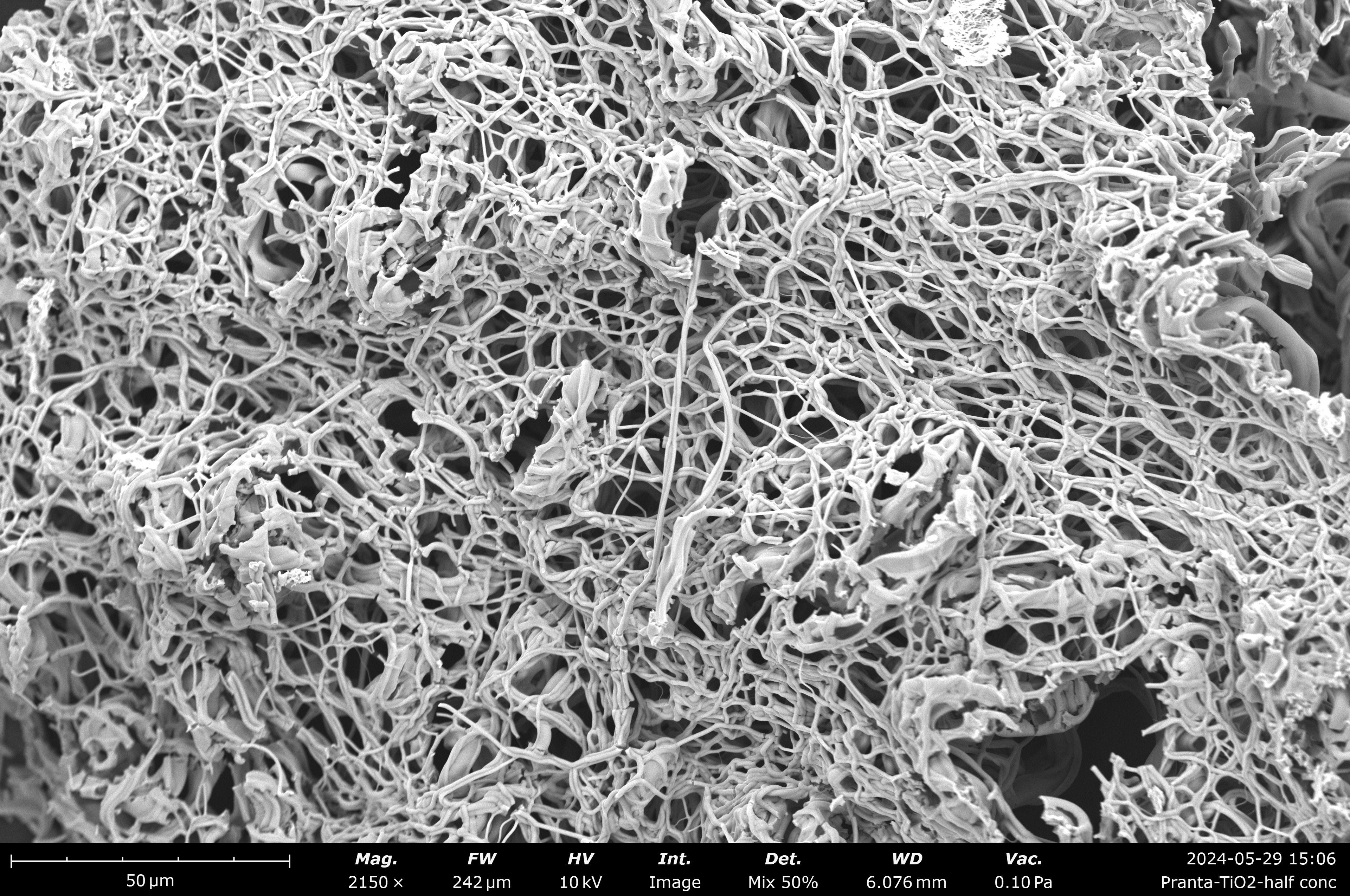
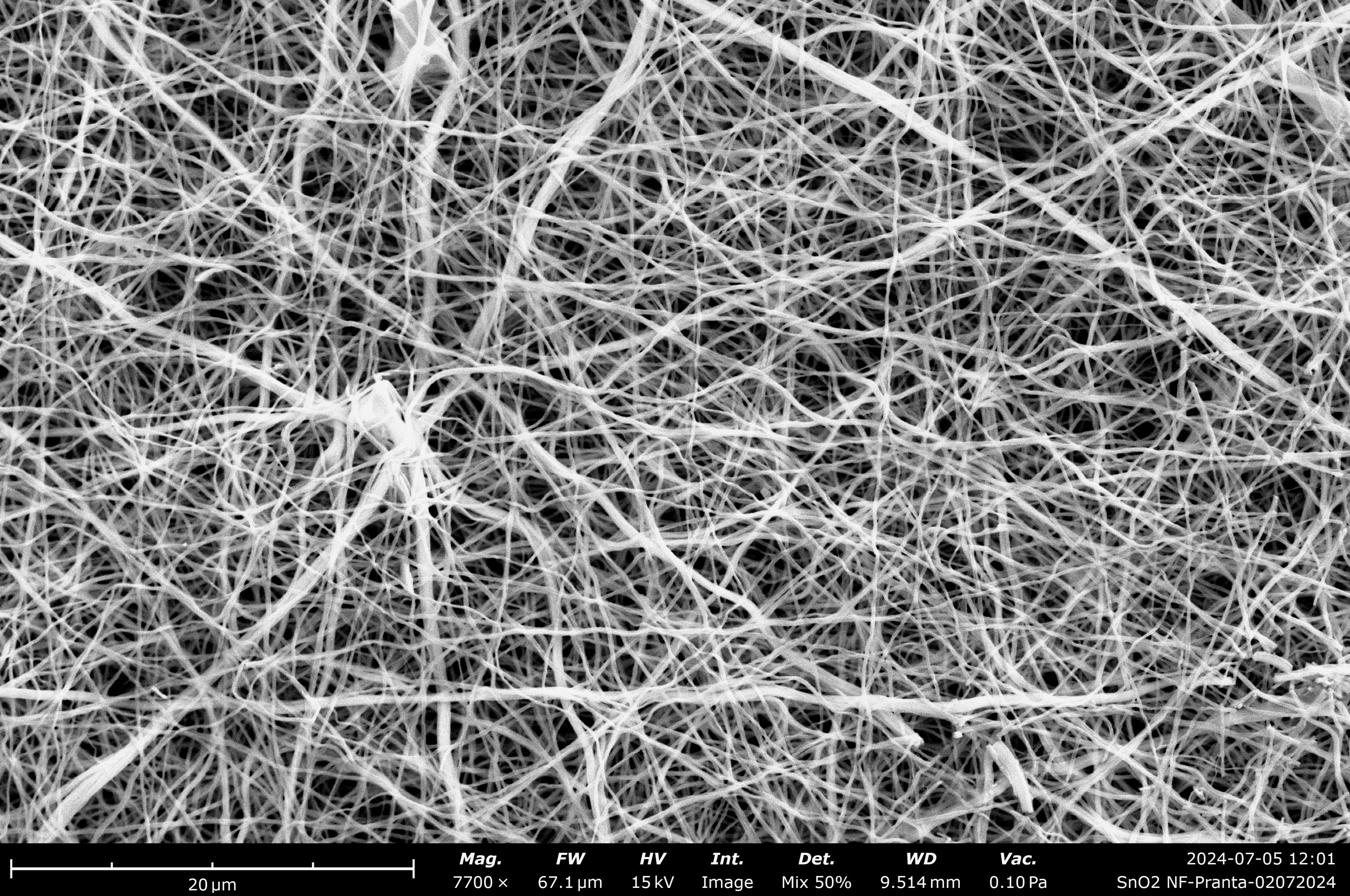
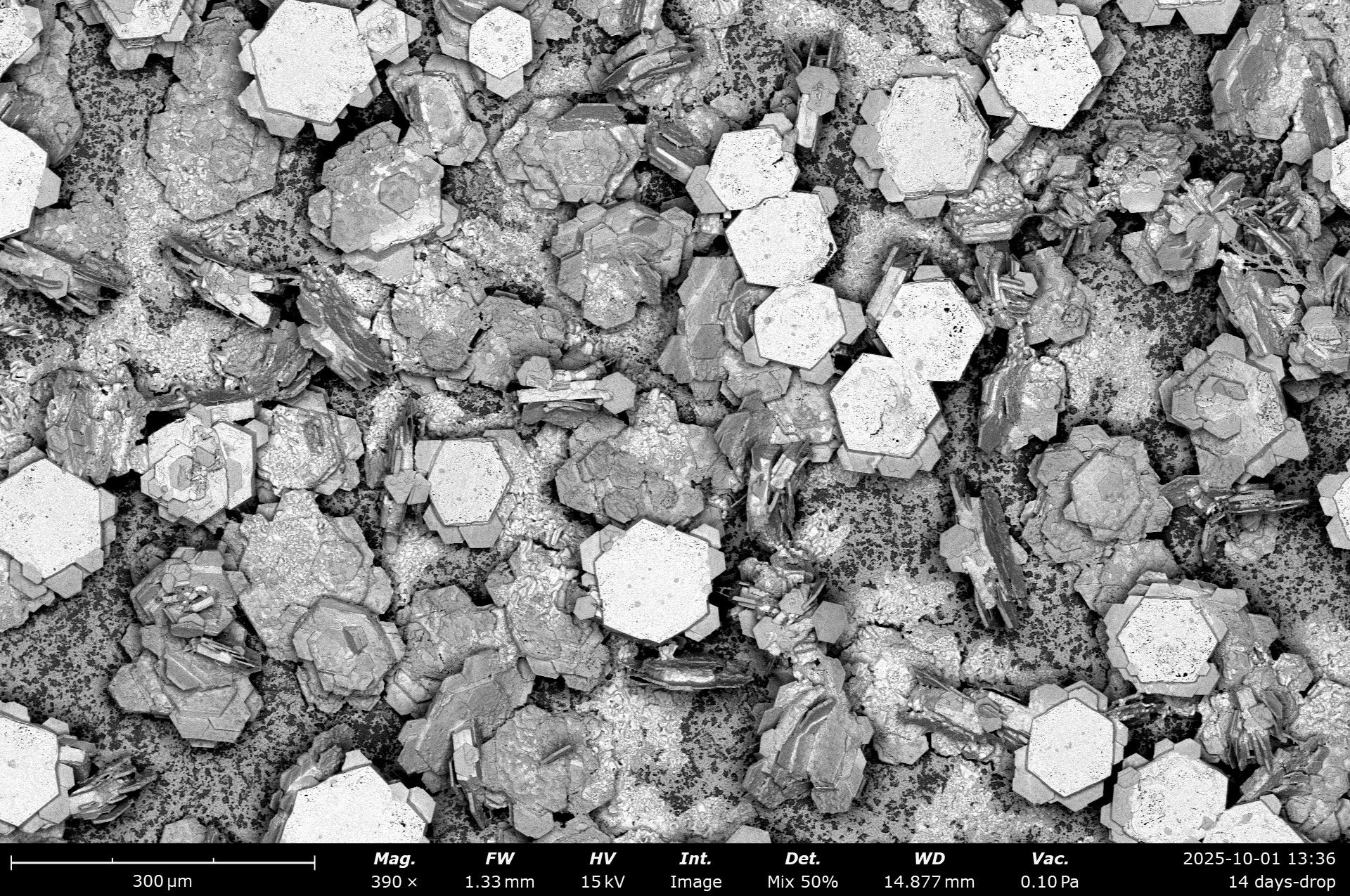
A Honeycomb Woven from Nanofibers by Pranta Barua
Seen through a Scanning Electron Microscope (SEM) — a powerful imaging tool that reveals structures far smaller than the eye can see — this image shows a delicate web of titanium dioxide (TiO2) nanofibers.
The fibers were created using electrospinning, a technique that stretches liquid materials into extremely thin threads. Under magnification, the tangled network resembles a natural honeycomb or woven nest, where tiny spaces form pathways between the fibers.
These microscopic gaps are important because they allow air, water, or chemicals to move easily through the structure. Materials like this are studied in nanotechnology and environmental science, where TiO2 is known for its ability to help break down pollutants using light-driven reactions (photocatalysis).
What looks like abstract art is a carefully engineered material designed to help scientists develop cleaner water, better catalysts, energy storage, and more sustainable technologies.
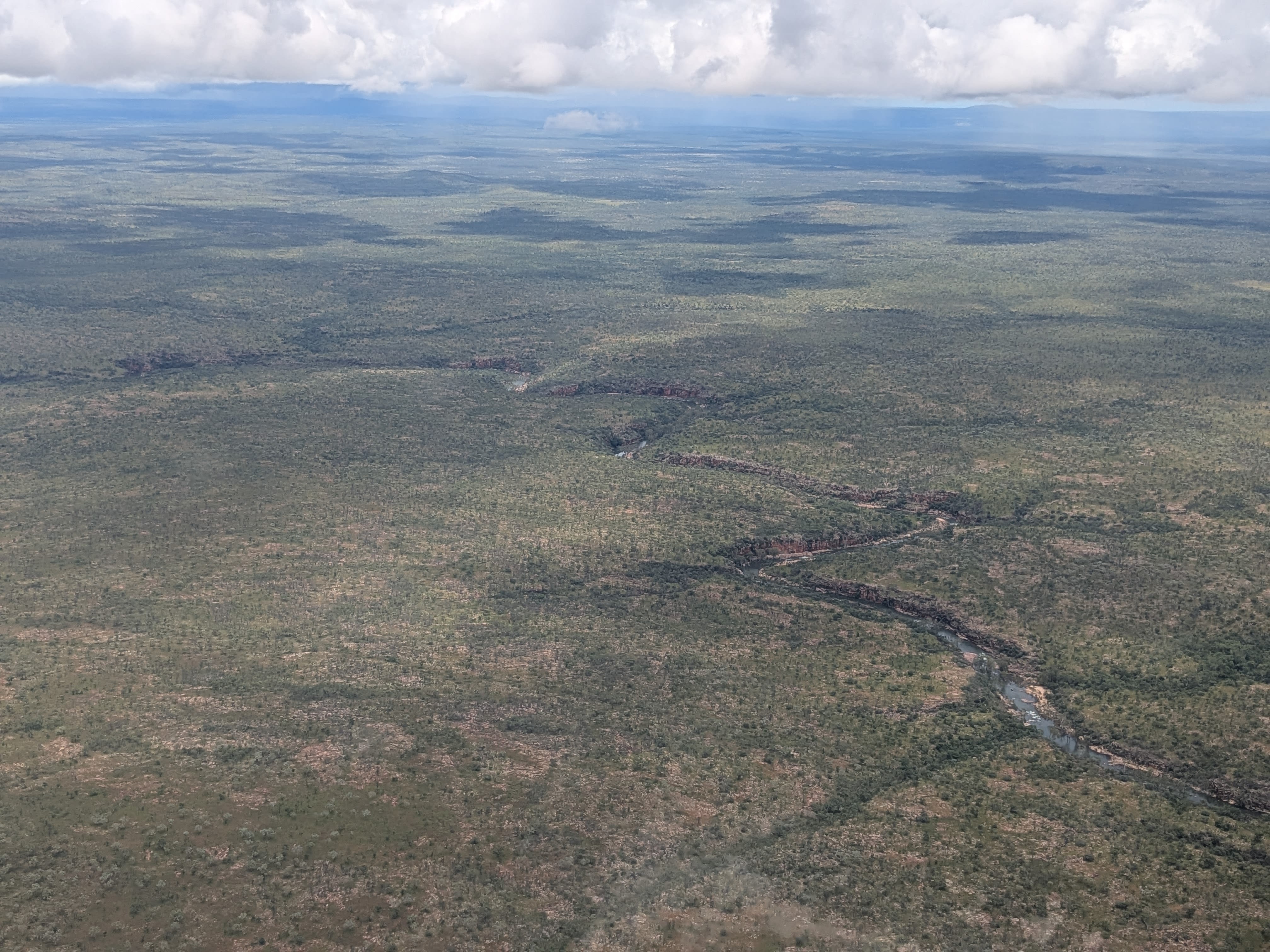
Eagle's view of the Rain over the Kimberley by Andrew Edwards
Bushfire Researchers from CDU have provided support to Indigenous and Conservation Land Managers for the past 30 years, through fire mapping and much valued field observation and measurement, working with people on the ground and in the air to better learn how to manage these vast pristine areas together, and for everyone.
A recent wet season survey to measure fire effects reveals the beauty of northern Australian savannas in the west Kimberley.
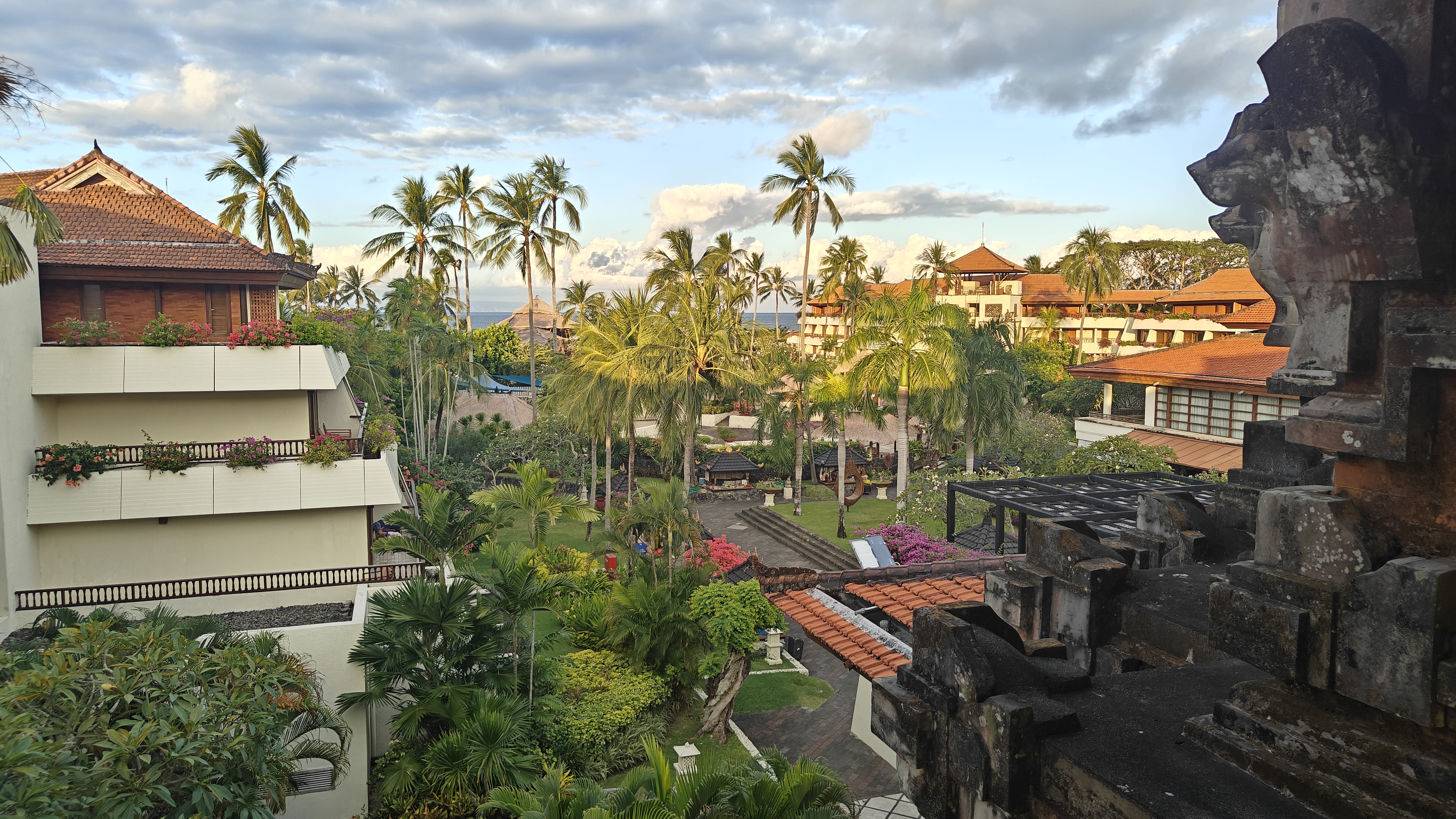
A breath of fresh air by Angela Devine
Beautiful views like this are a helpful refresh between sessions discussing the latest health economics research at the International Health Economics Association conference in Bali, Indonesia.
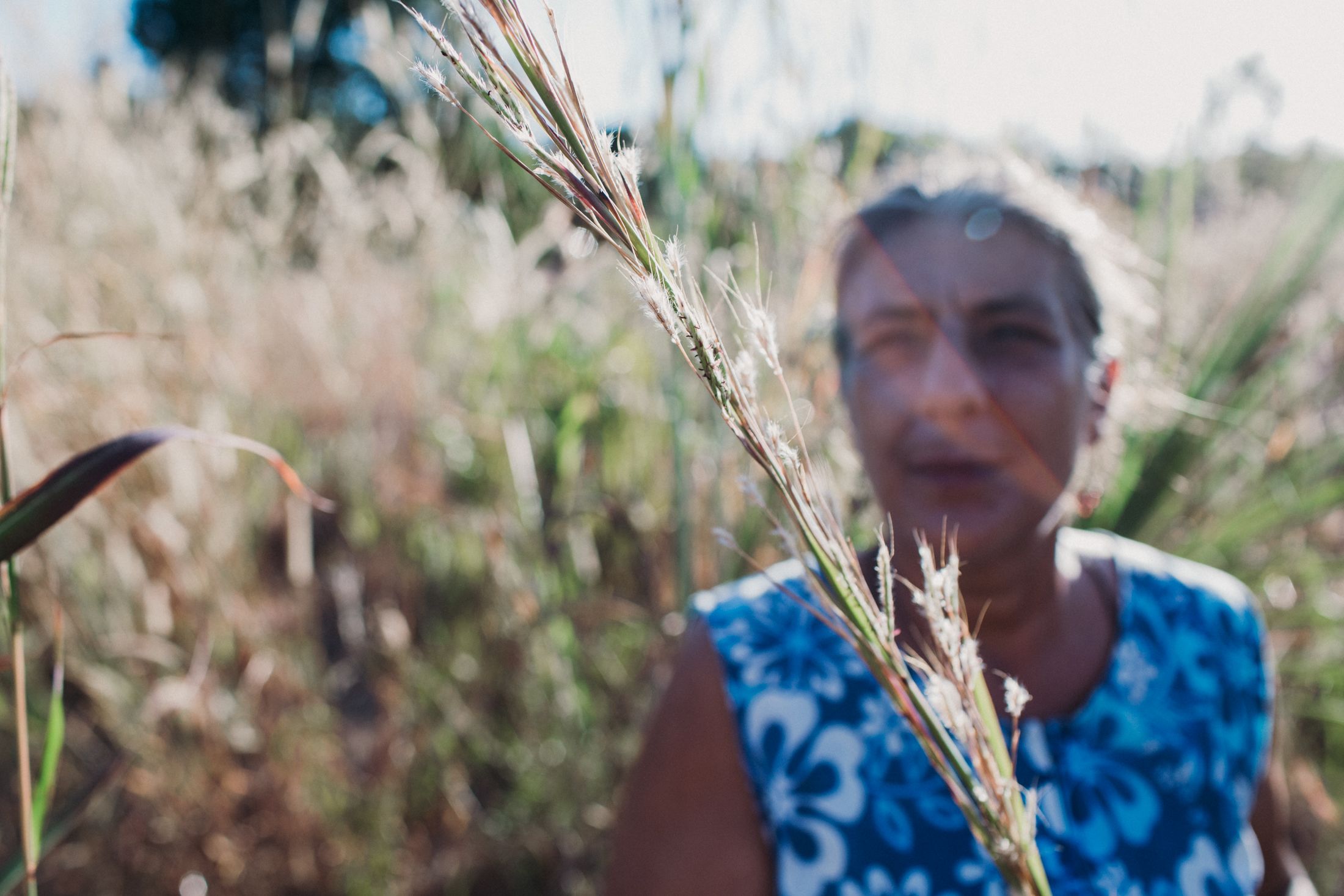
Holding the Line by Jennifer Pinkerton
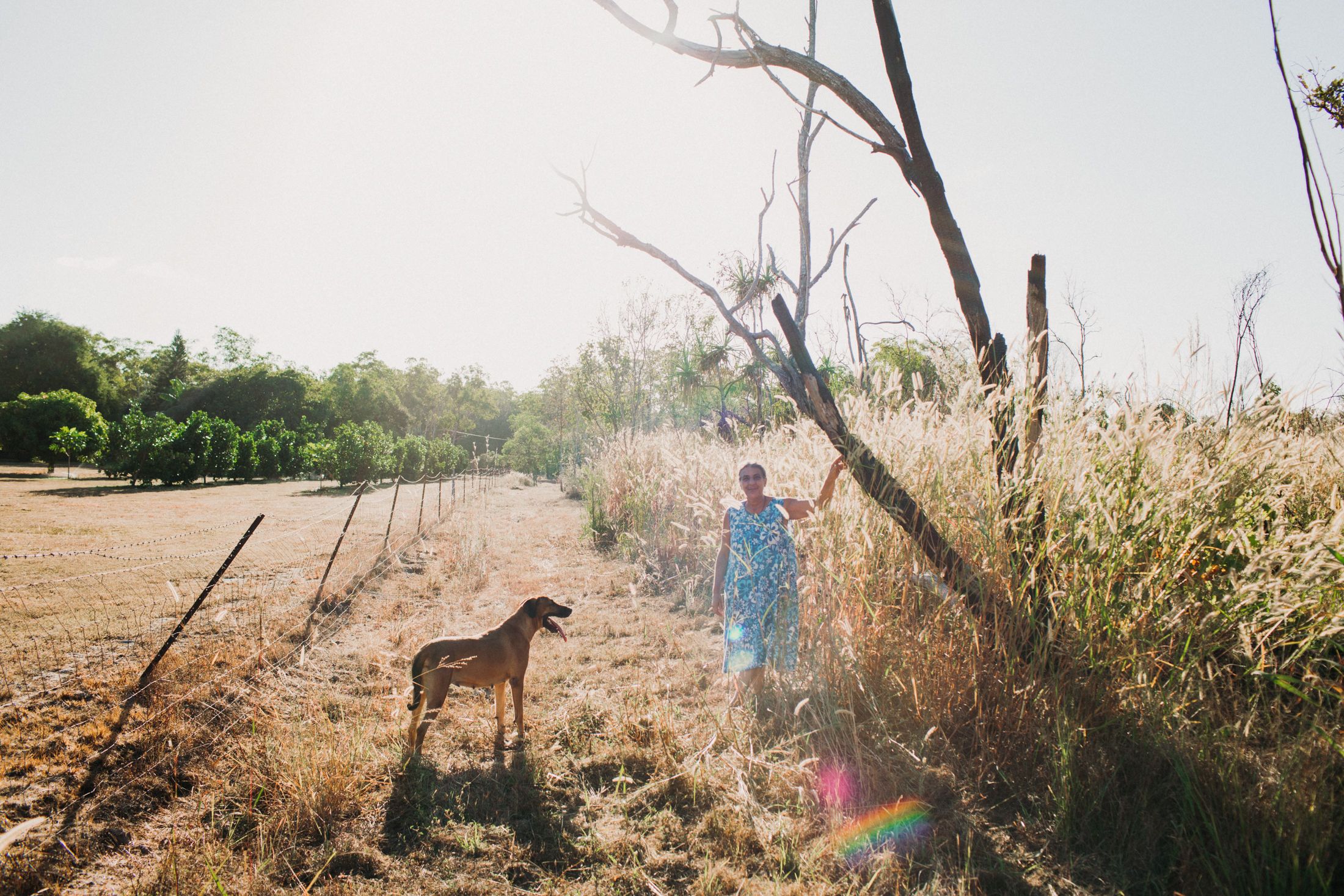
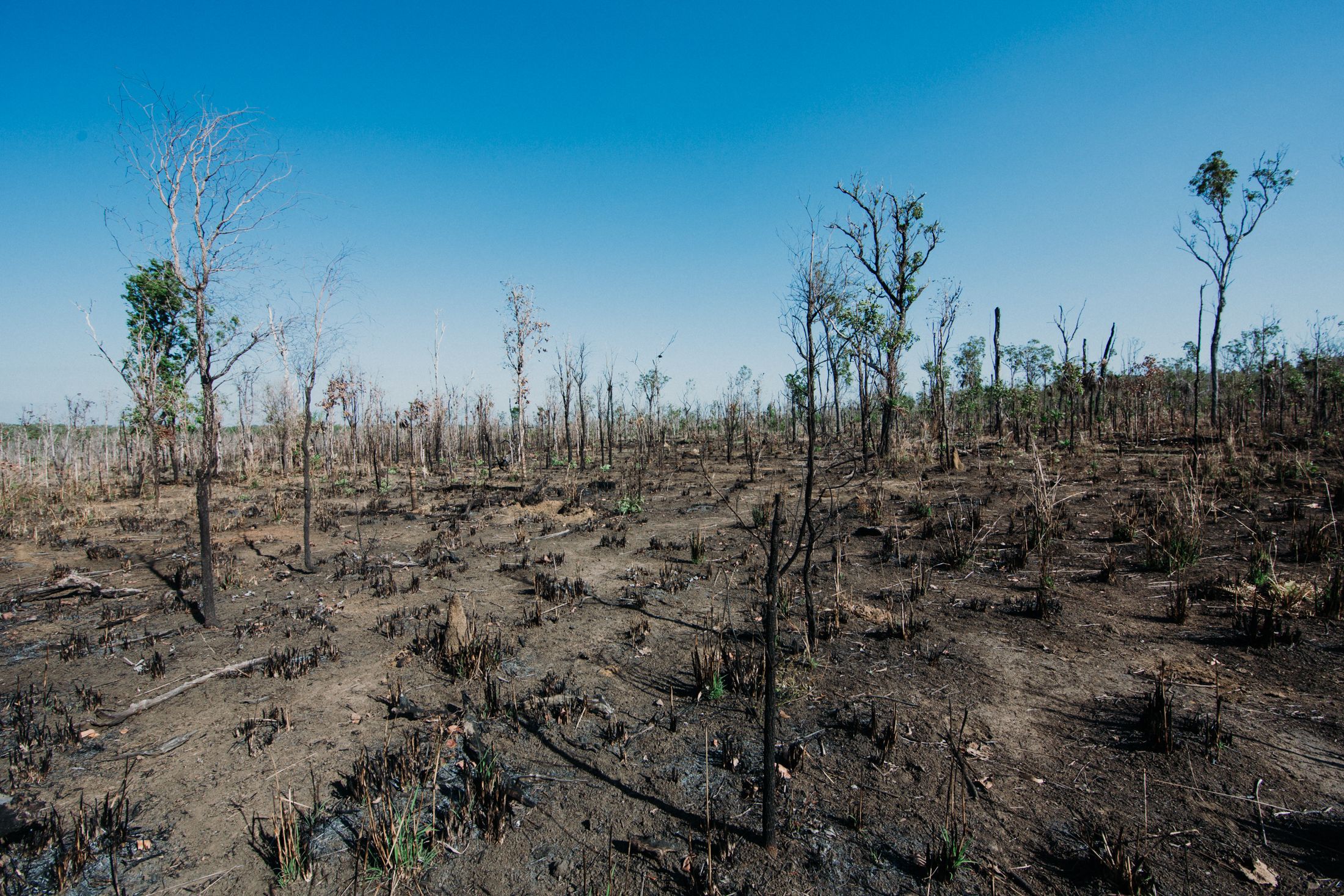
In the late afternoon light, environmental scientist and campaigner Pauline Cass stands with her dog at the edge of long grass that has come to define her fight.
Introduced from Africa to boost northern agriculture, gamba grass now engulfs properties like hers on Darwin’s outskirts, fuelling fires that burn hotter, higher and more often than the landscapes they replace.
Pauline has become both witness and advocate, pressing for action as the weed advances.
This quiet moment captures a fragile frontline — one woman, her land, and a relentless grass reshaping the Top End, threatening to transform it beyond recognition if left unchecked.

Smilly Millner by Girum Gebremeskel Kanno
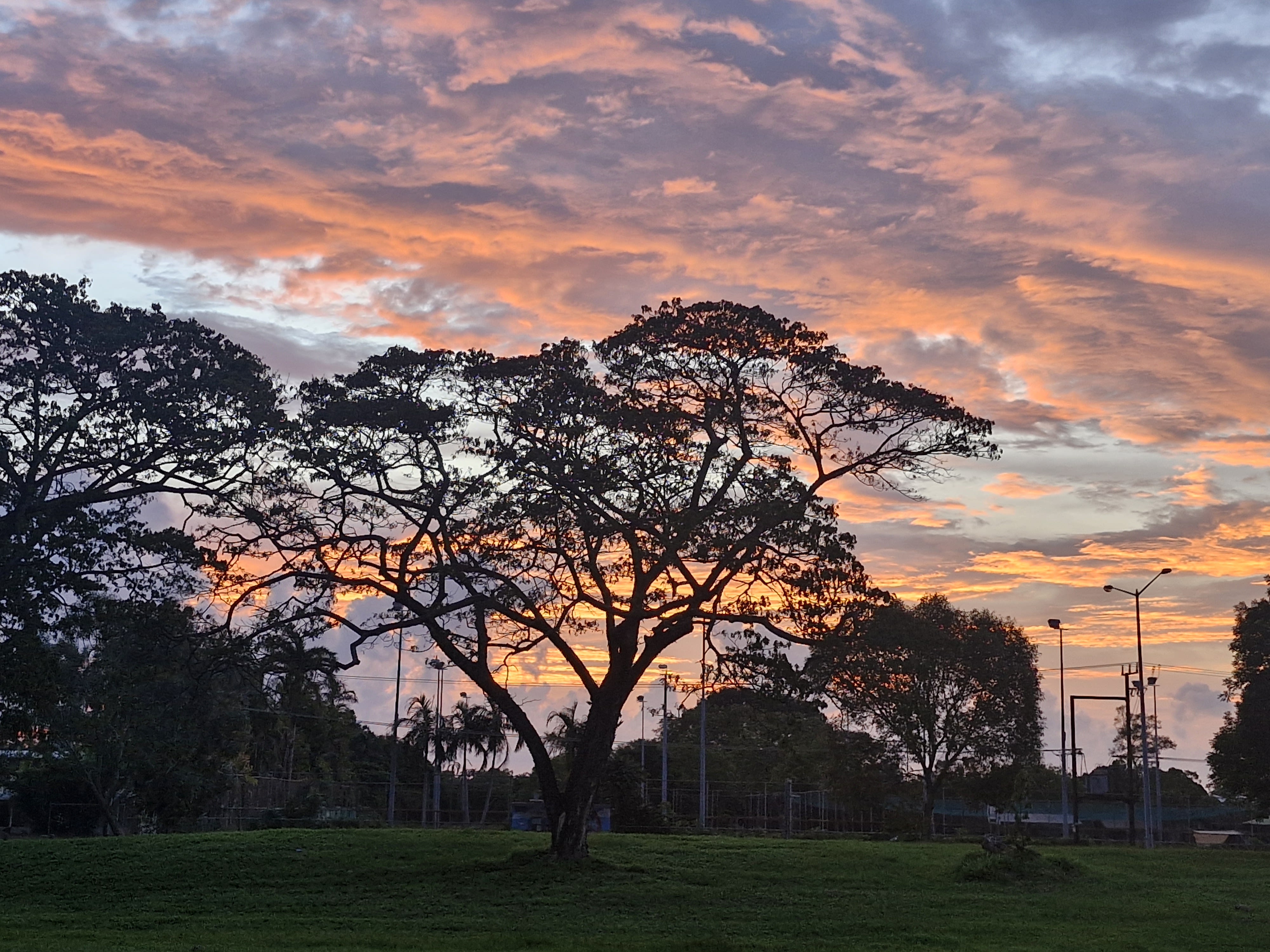
Post-game smiles with my son at Bagot Road ACE Football Field, 8 February 2026 — Millner, Northern Territory.
Buffalo Moonscape by Alisha Hvala
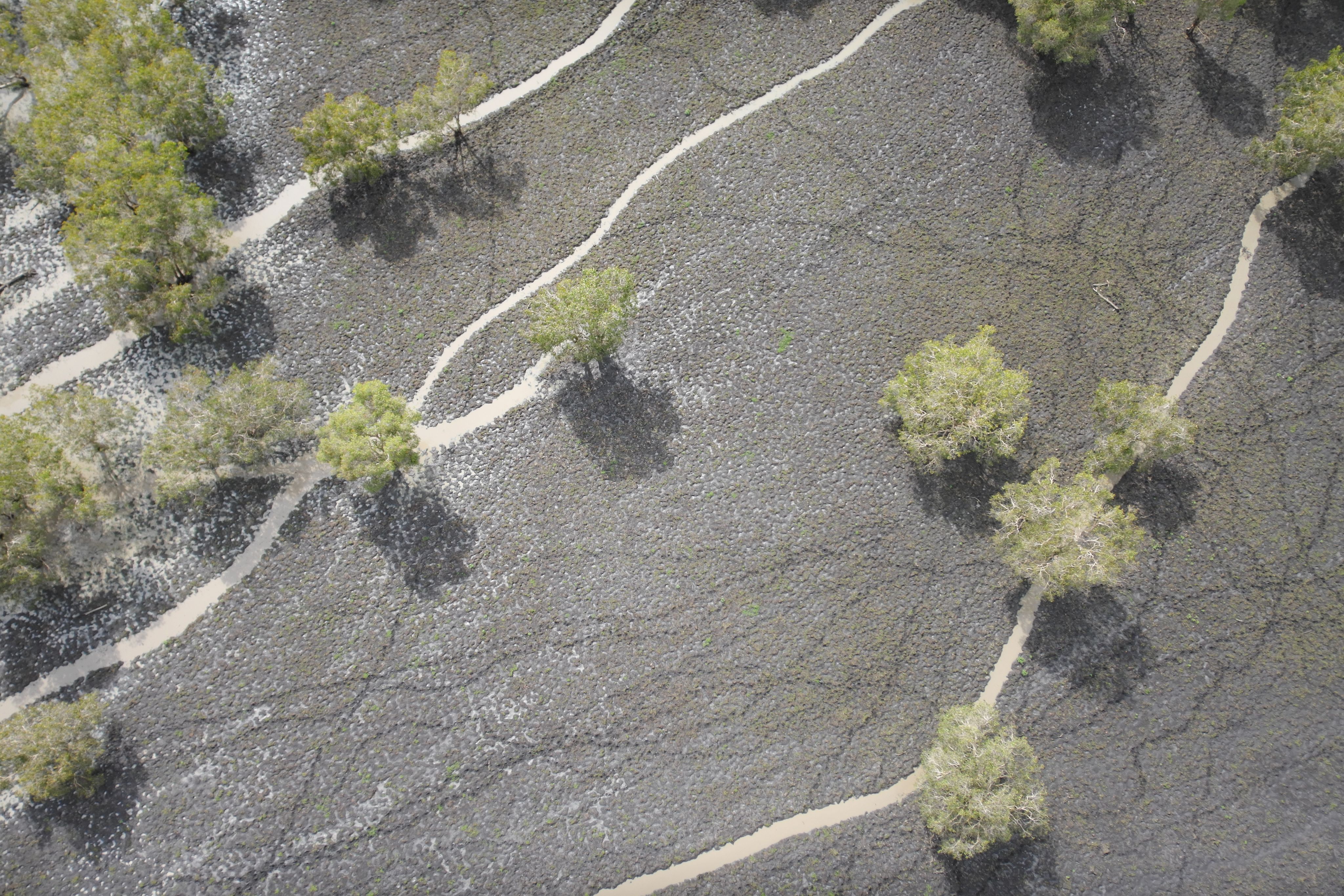
Feral ungulates — Asian water buffalo and feral pigs — are turning north Australian wetlands into a muddy moonscape.
By stripping vegetation, digging wallows, and trampling soils, they reduce habitat quality in these biodiverse environments. Captured by a survey drone in remote East Arnhem, this image reveals the scale of disturbance.
Over time, such pressure fragments once-stable wetlands and underscores the ecological risks posed by unmanaged feral ungulate populations.

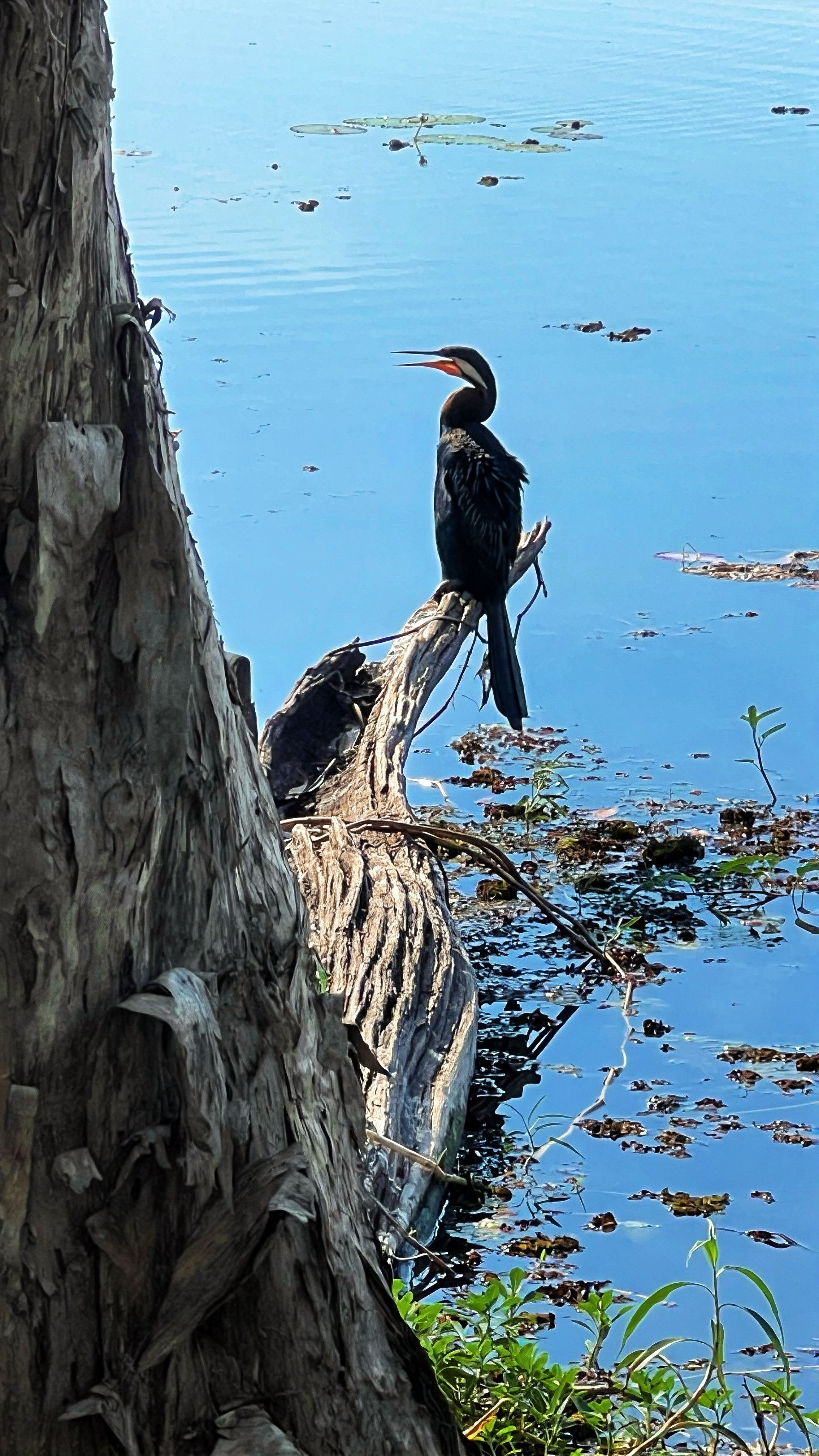
The Watcher in the Sunset by Xiao Xiao
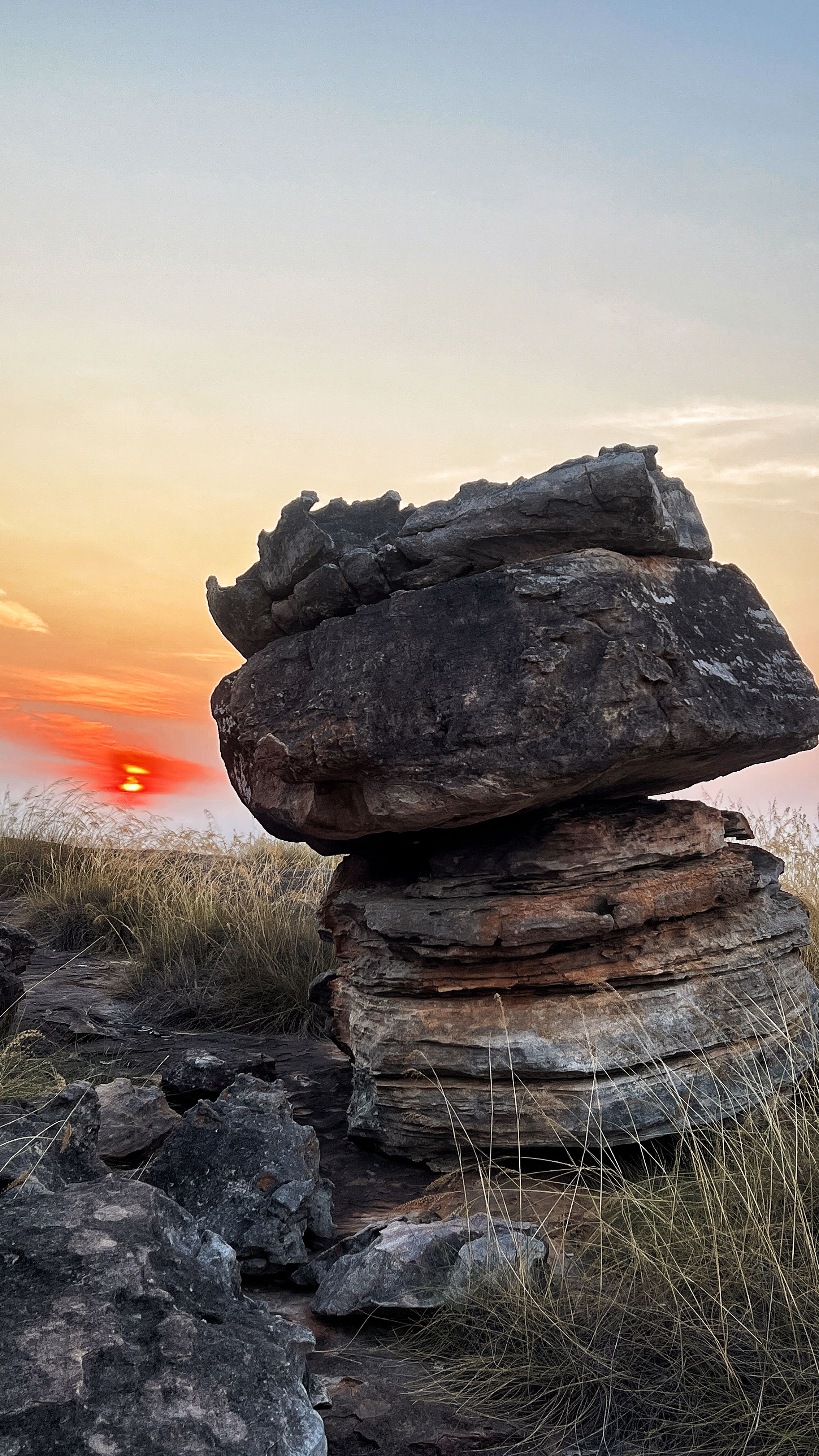
This image captures the sunset and the natural landscape at Kakadu National Park during the dry season.
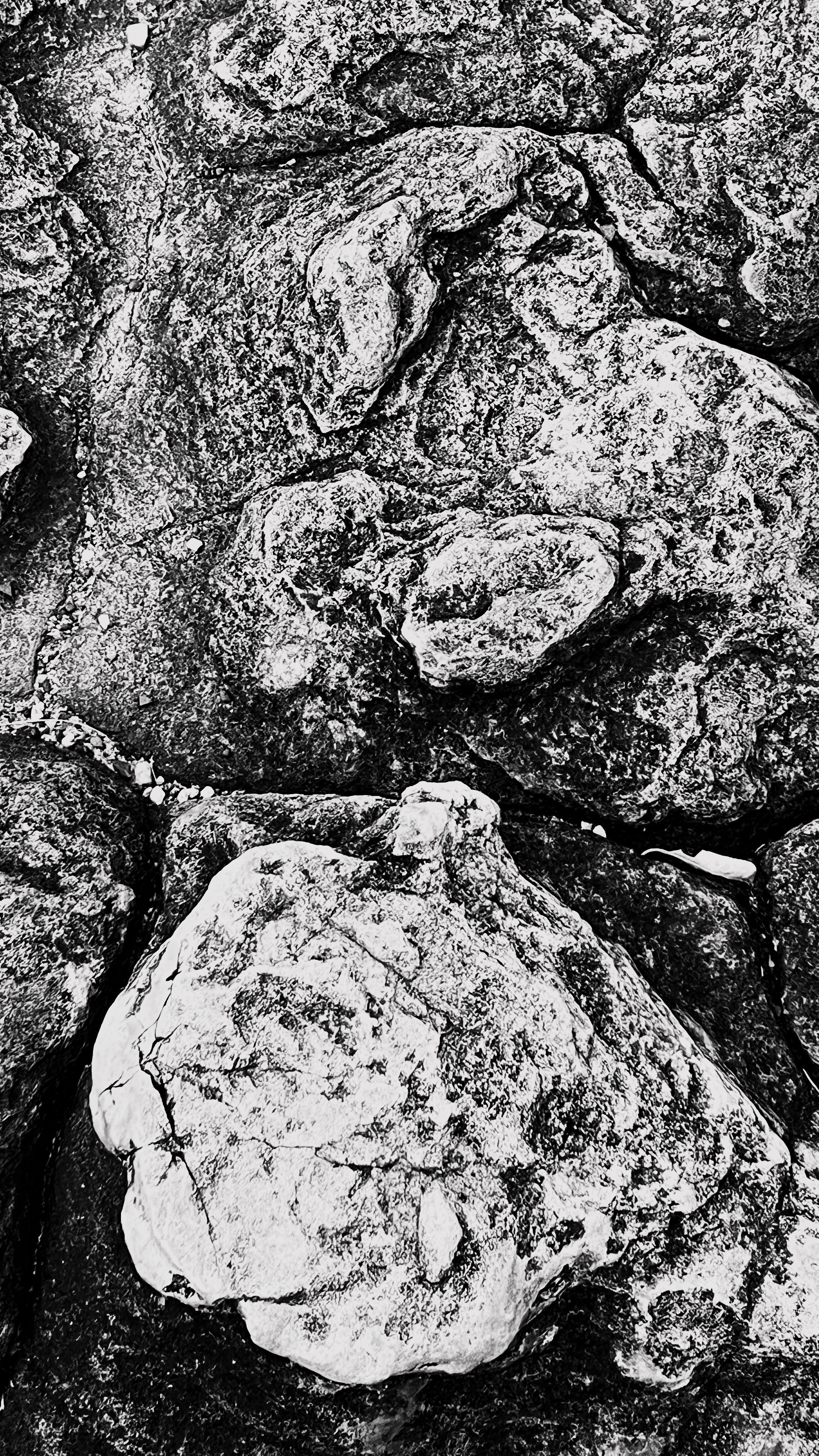
The sun is setting, its light drifting softly across the earth as a gentle breeze brings a touch of coolness. On the top of a quiet hill stand two solitary boulders. Despite billions of years of rain and sun, they maintain a delicate balance, standing firm and unmoving.
Every line upon their surface is a mark carved by time. Together, they have witnessed every sunrise and sunset, enduring both scorching heat and fierce storms.
In their stillness, they steadfastly and silently watch over the land below, symbolising resilience, tranquility, and eternal life.
Scroll below to see all the submissions
Submitted by Jennifer Pinkerton
Submitted by Jennifer Pinkerton

Submitted by Waseem Ahmed
Submitted by Waseem Ahmed
Submitted by Liam Grearly
Submitted by Liam Grearly
Submitted by Brandon Sideleau
Submitted by Brandon Sideleau
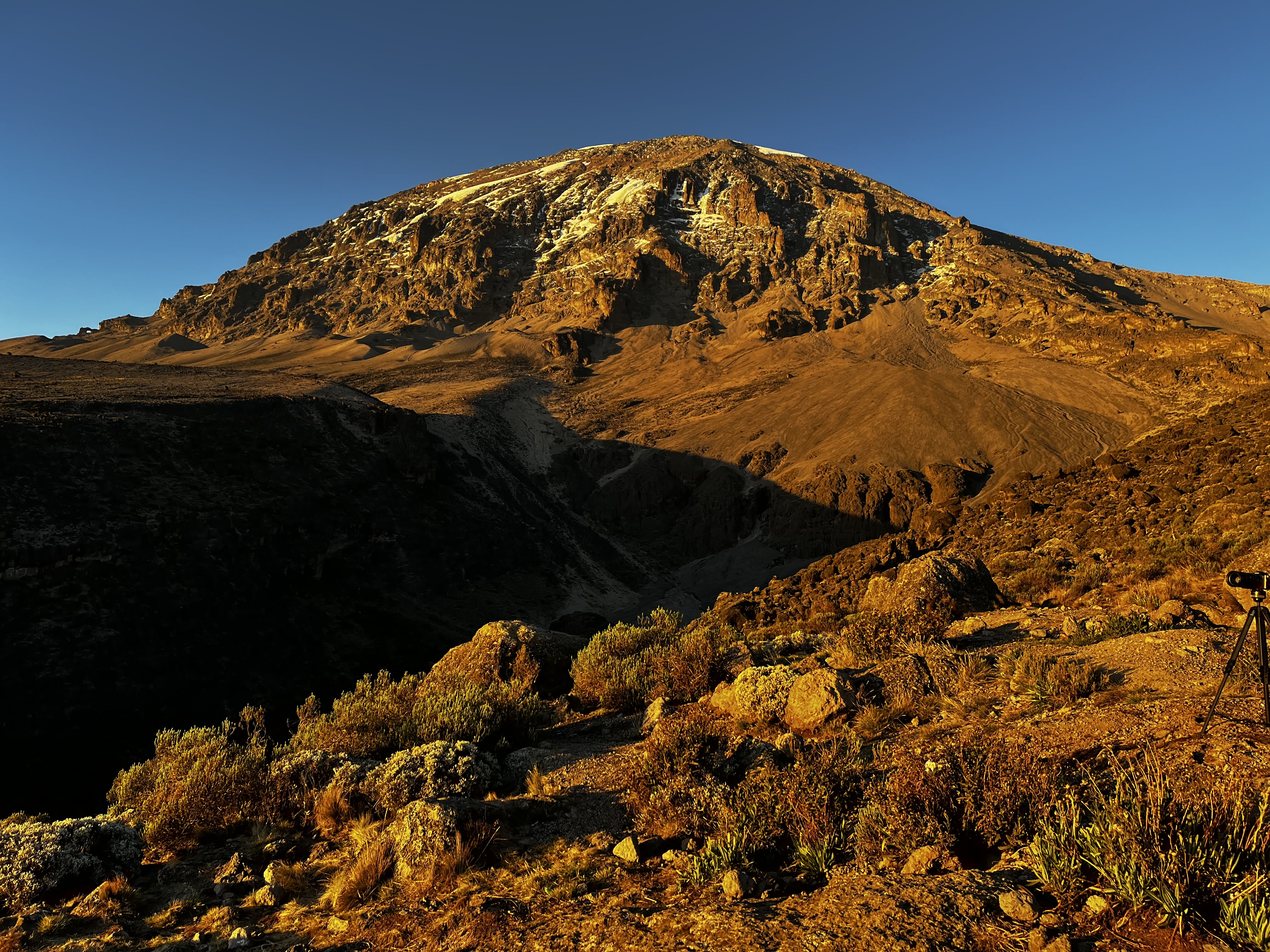
Submitted by Chrystie Watson
Submitted by Chrystie Watson

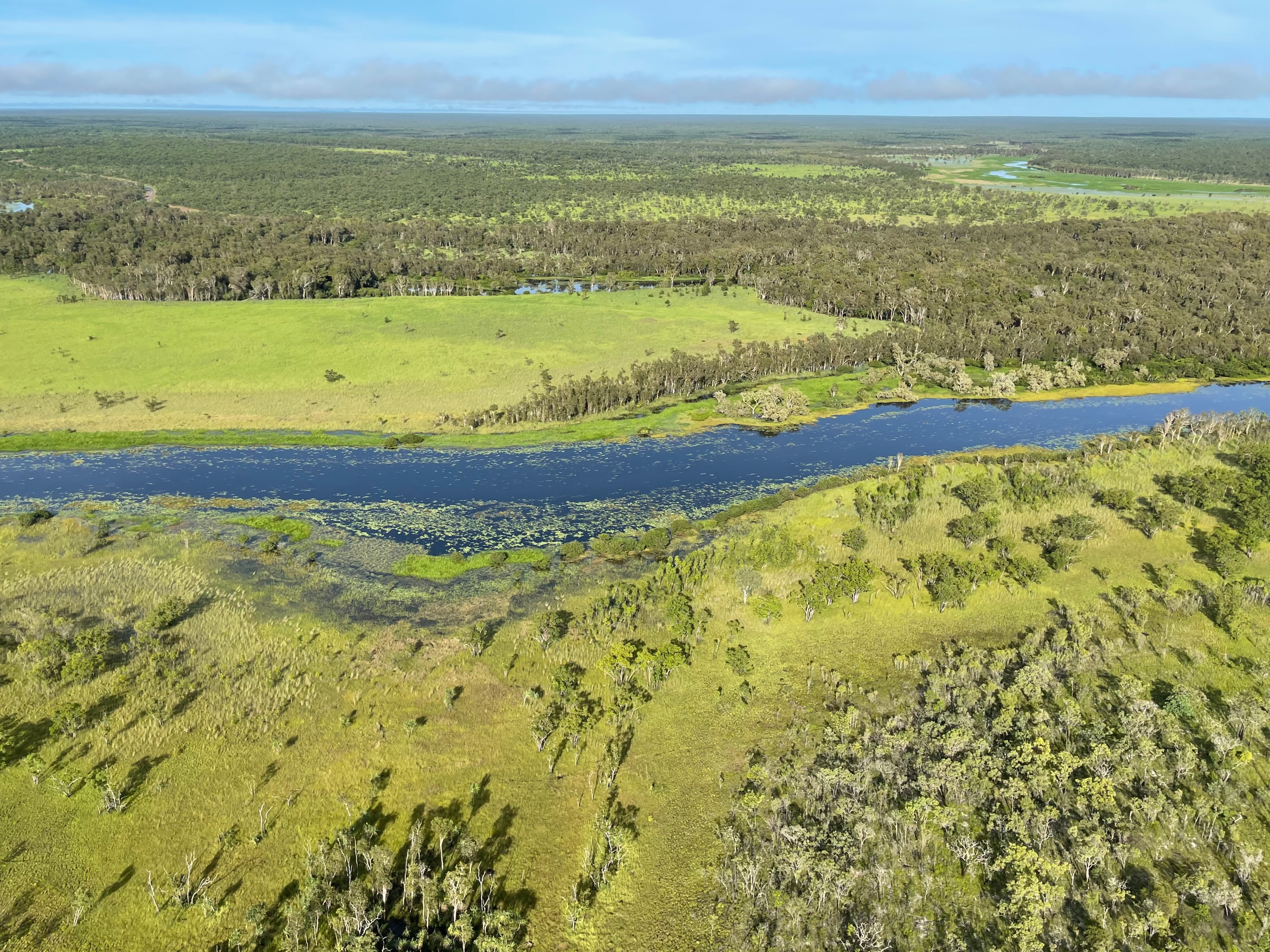
Submitted by Jenny Davis
Submitted by Jenny Davis
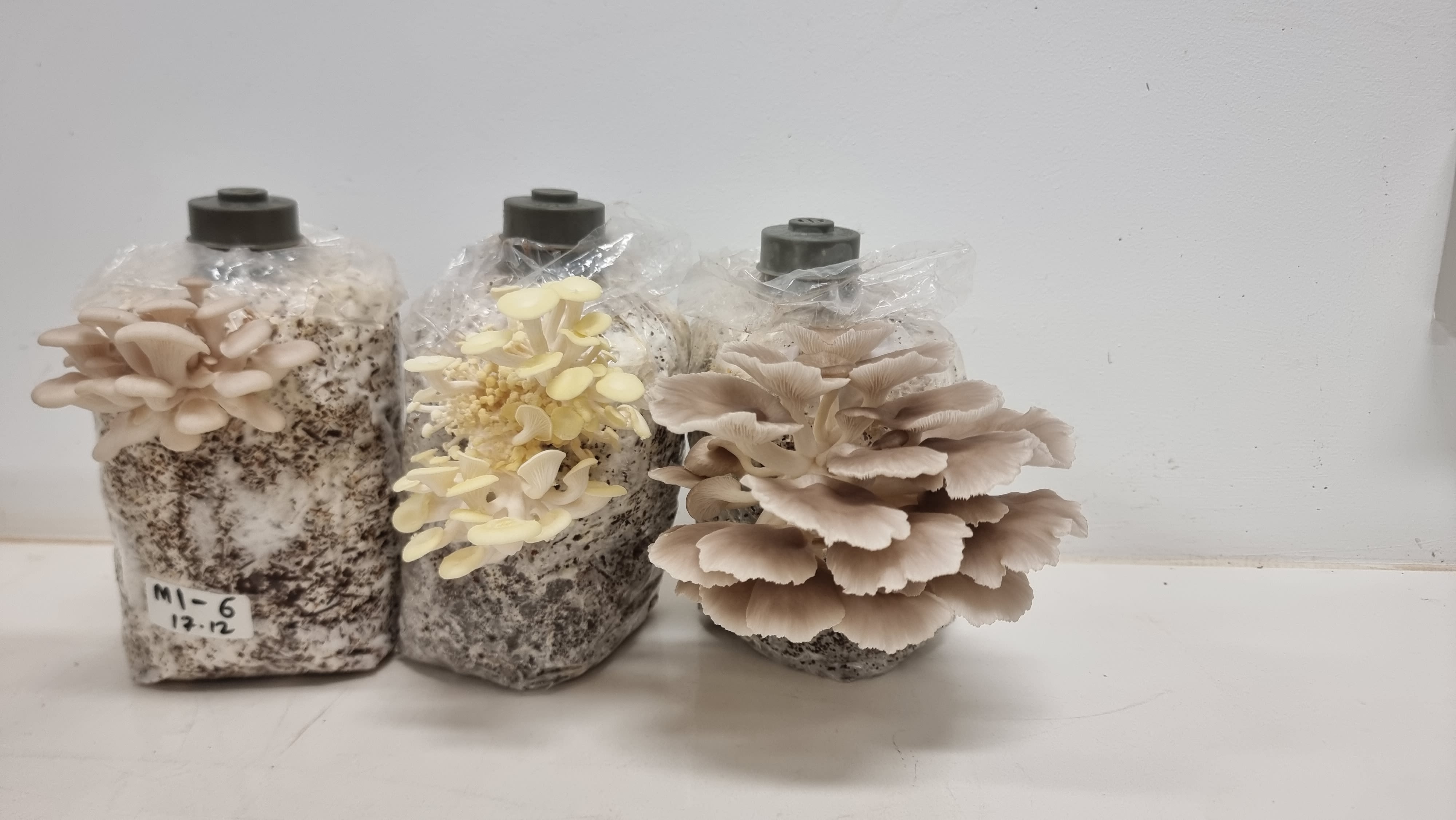
Submitted by Waseem Ahmed
Submitted by Waseem Ahmed

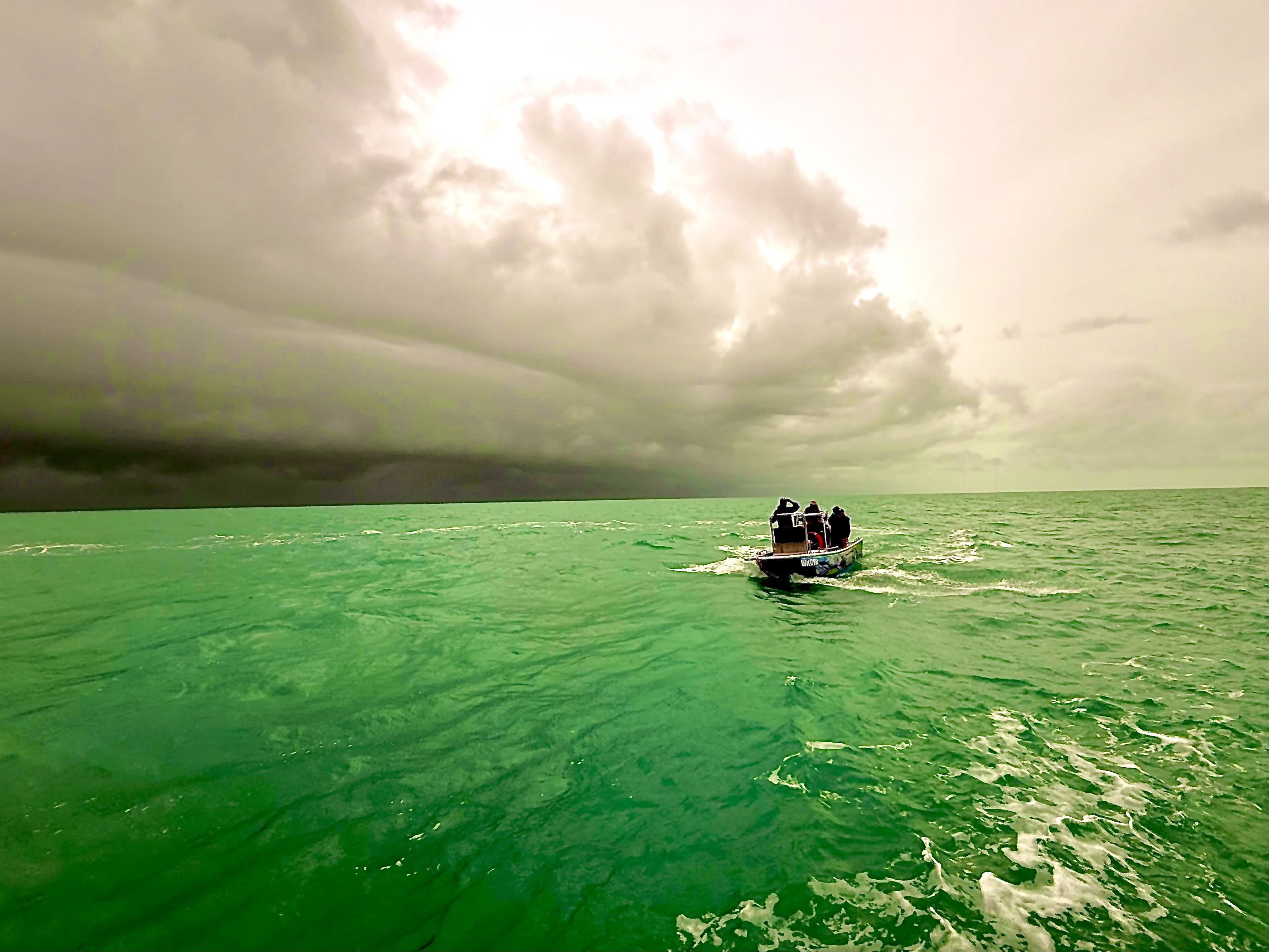
Submitted by Rachel Groom
Submitted by Rachel Groom

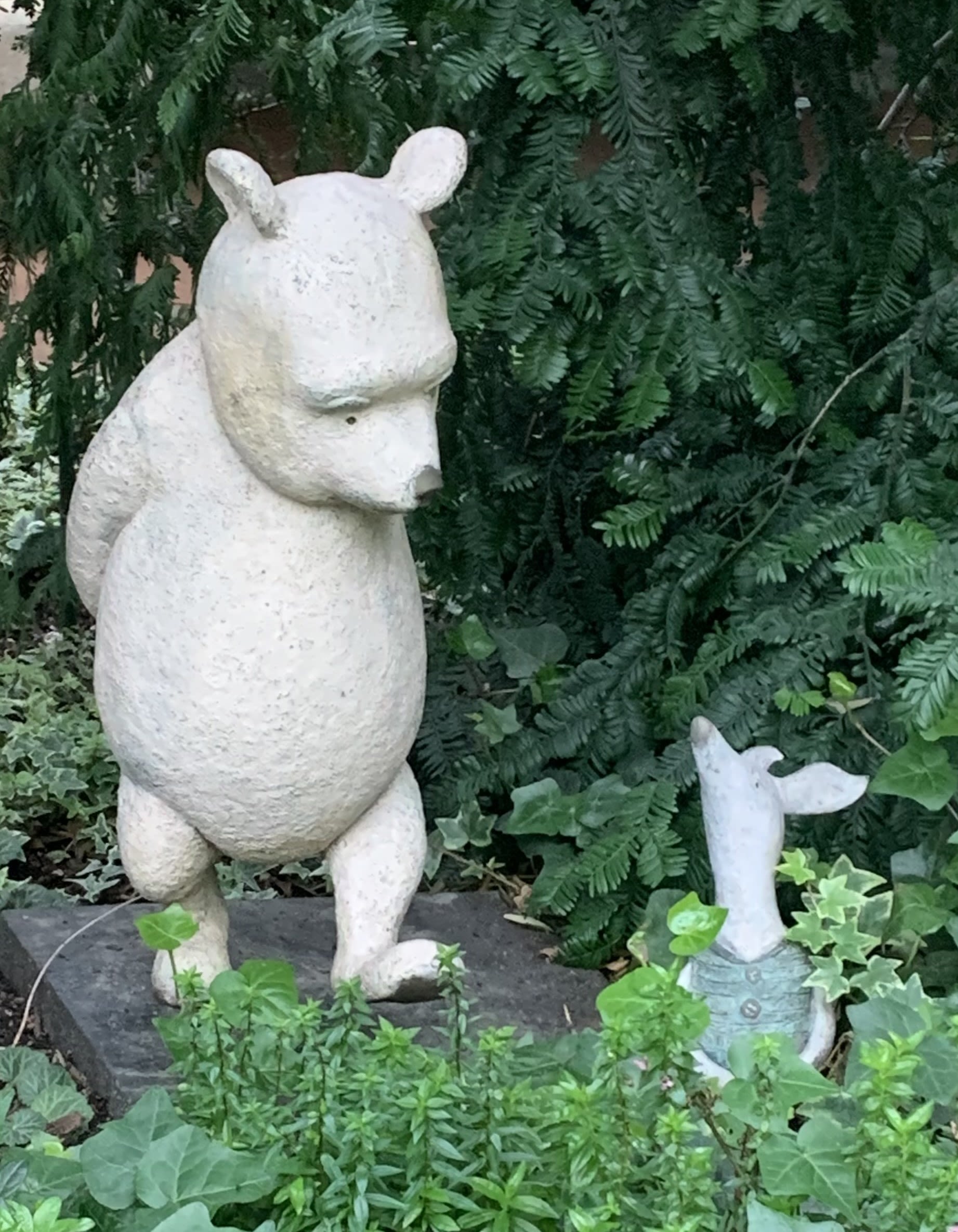
Submitted by Tracy Woodroffe
Submitted by Tracy Woodroffe
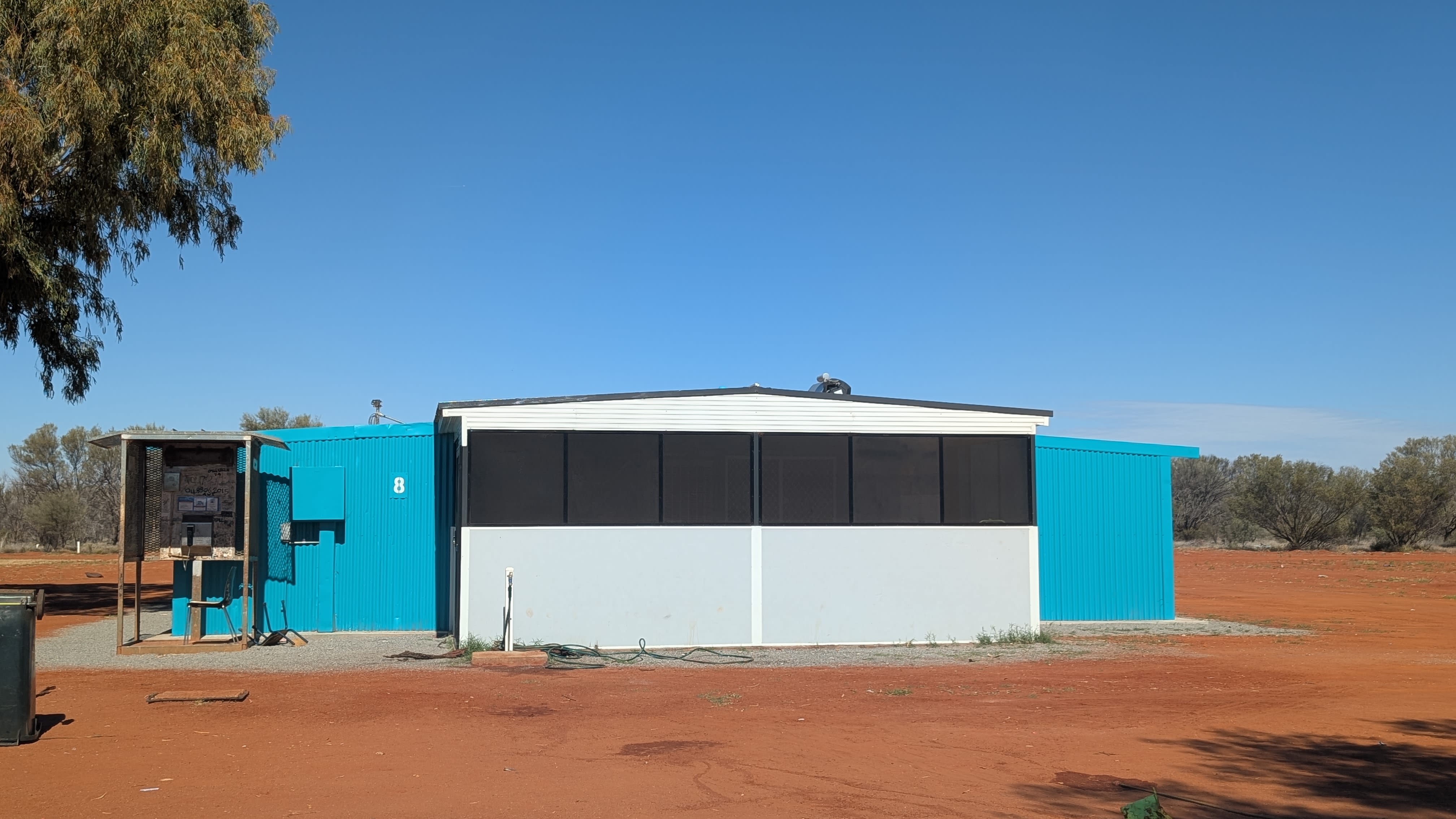
Submitted by Liam Grearly
Submitted by Liam Grearly
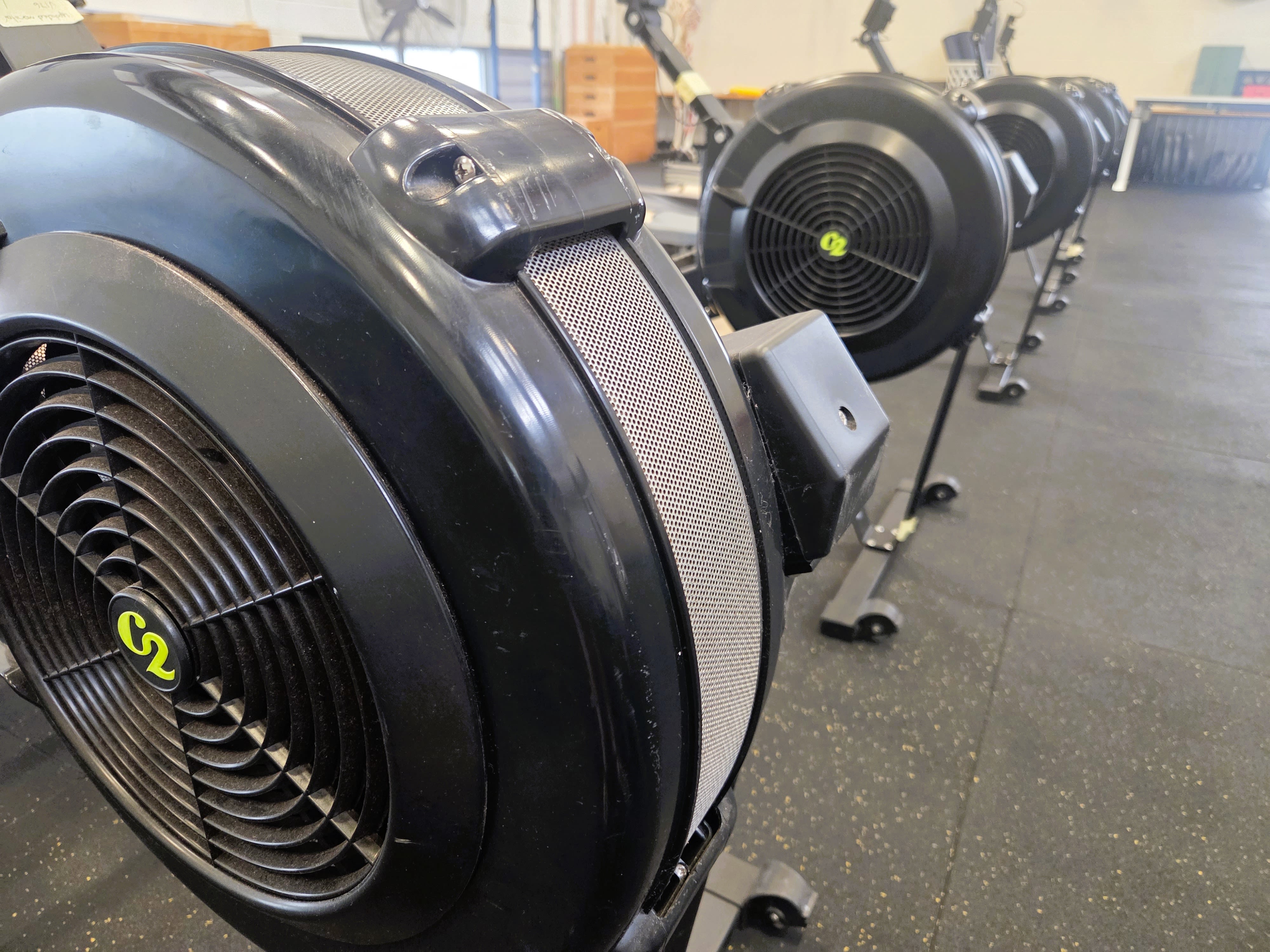
Submitted by Liz Grylls
Submitted by Liz Grylls

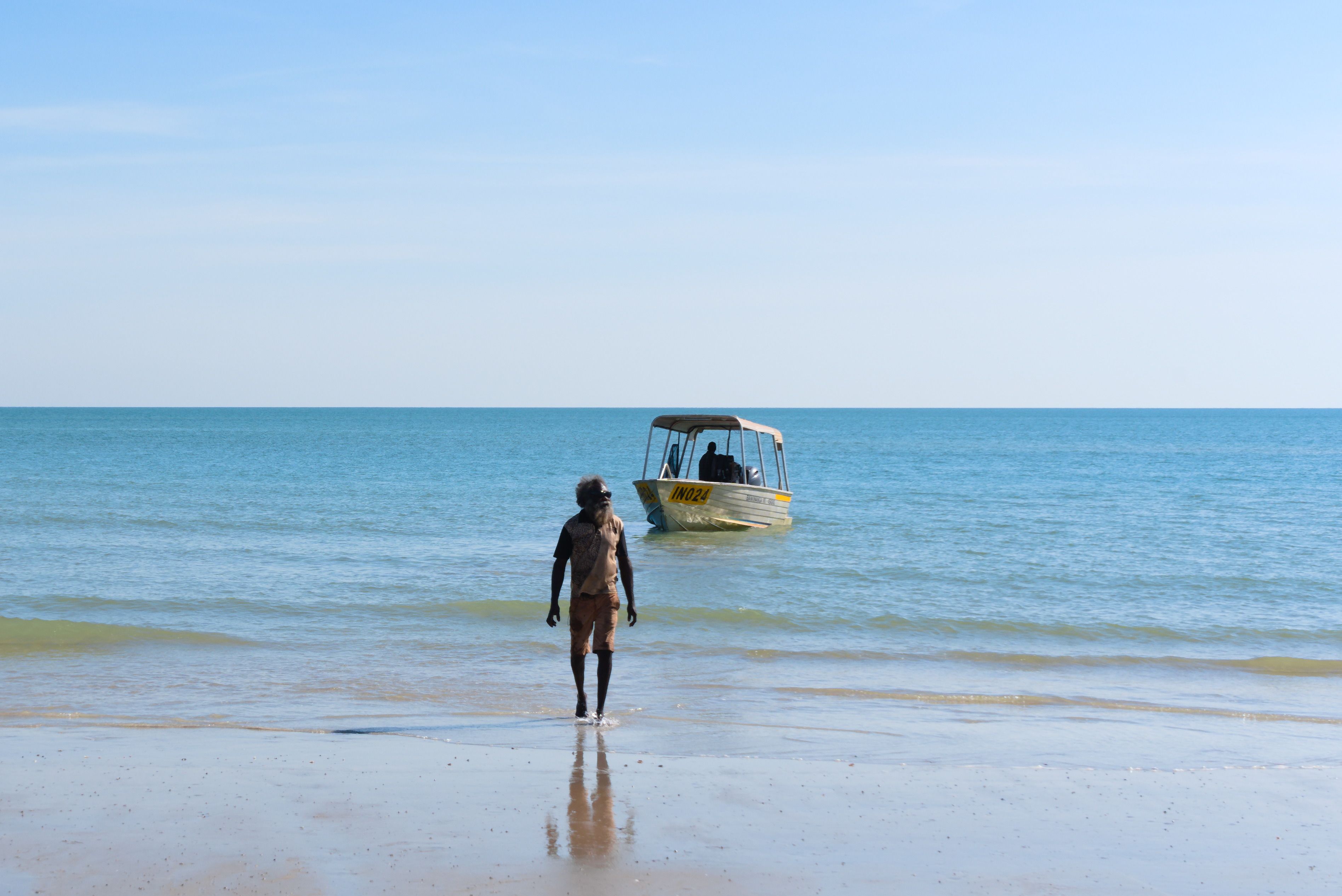
Submitted by Sam Williams
Submitted by Sam Williams

Submitted by Waseem Ahmed
Submitted by Waseem Ahmed
Submitted by Jenny Davis
Submitted by Jenny Davis
Submitted by Sam Williams
Submitted by Sam Williams
Submitted by Kelsie Kahl
Submitted by Kelsie Kahl
Submitted by Pranta Barua
Submitted by Pranta Barua
Submitted by Jennifer Pinkerton
Submitted by Jennifer Pinkerton
Submitted by Xiao Xiao
Submitted by Xiao Xiao
Submitted by Valentin Thepot
Submitted by Valentin Thepot
Submitted by Kelsie Kahl
Submitted by Kelsie Kahl

Submitted by Tracy Woodroffe
Submitted by Tracy Woodroffe

Submitted by Varunika Ruwanpura
Submitted by Varunika Ruwanpura

Submitted by Ulrike Kachel
Submitted by Ulrike Kachel
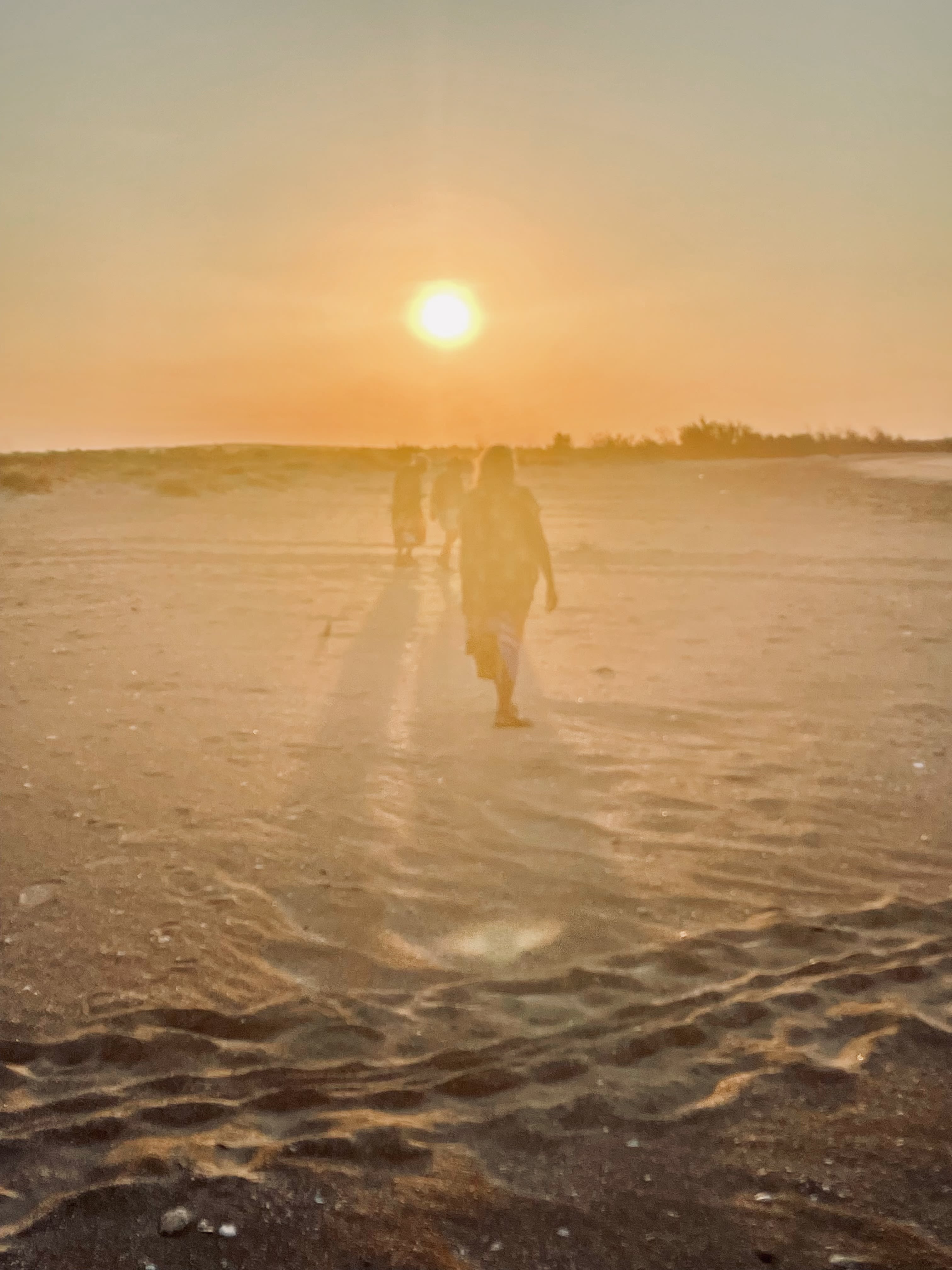
Submitted by Rachel Groom
Submitted by Rachel Groom
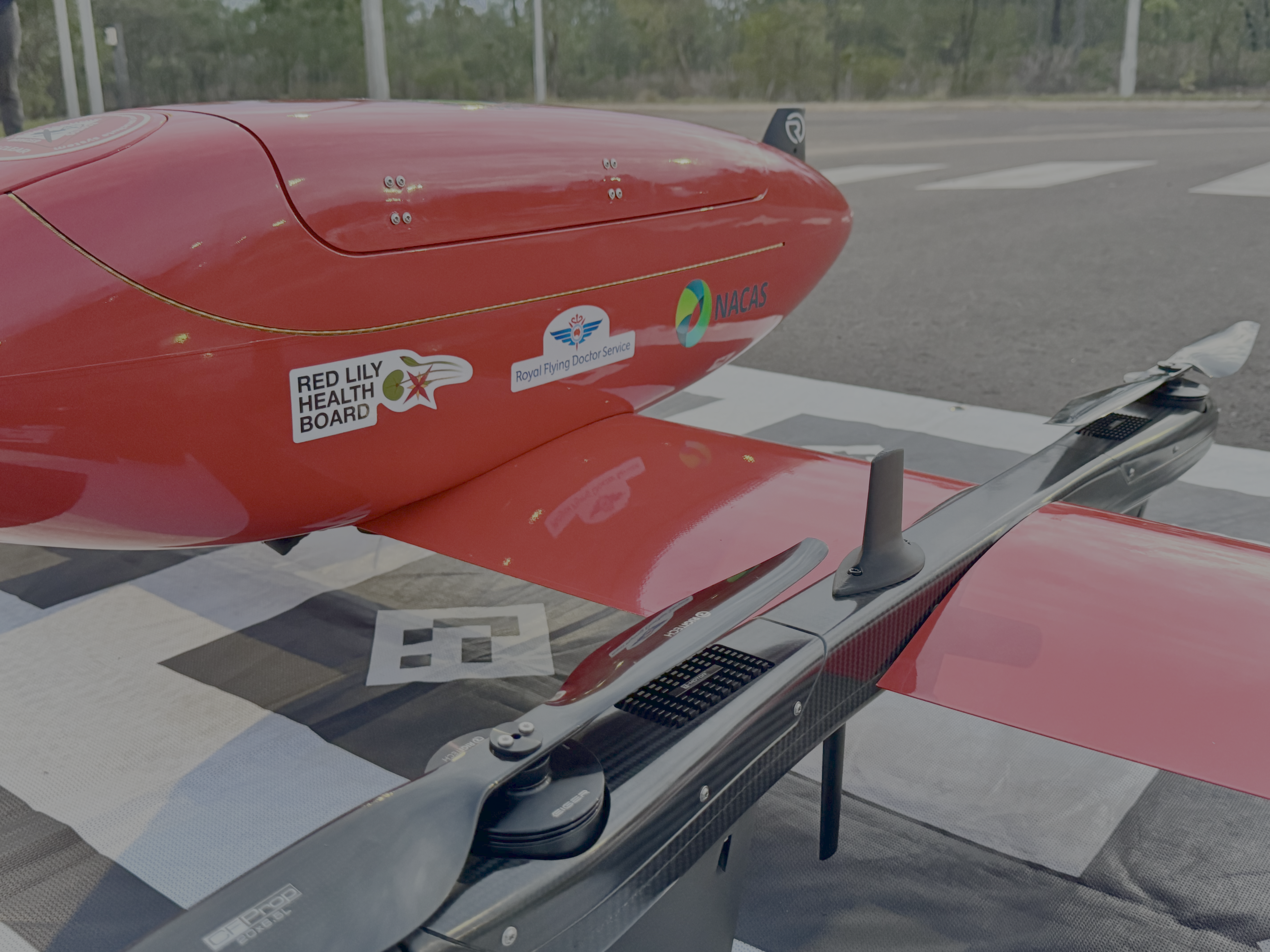
Submitted by Hamish Campbell
Submitted by Hamish Campbell
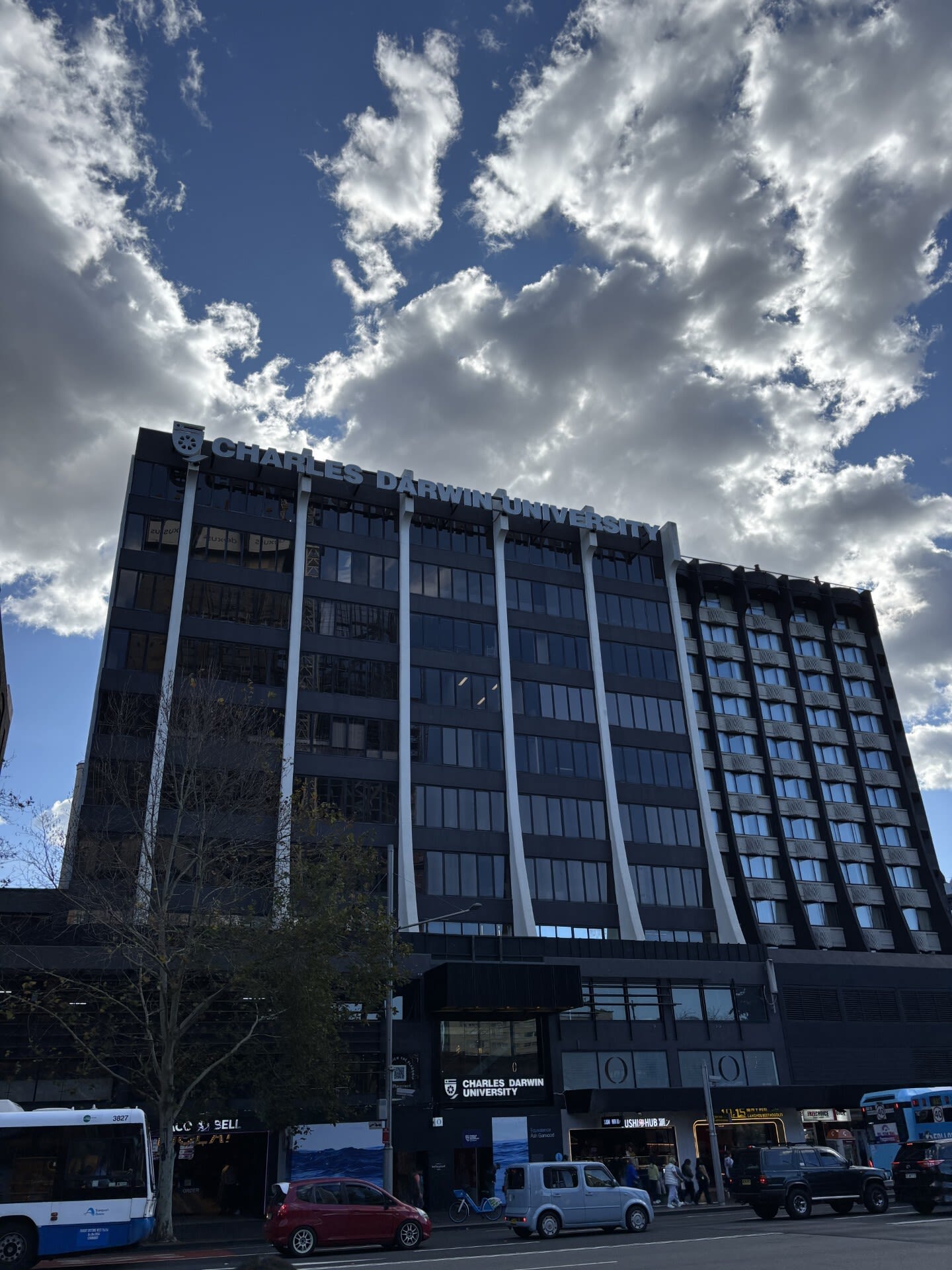
Submitted by Tianyi Long
Submitted by Tianyi Long
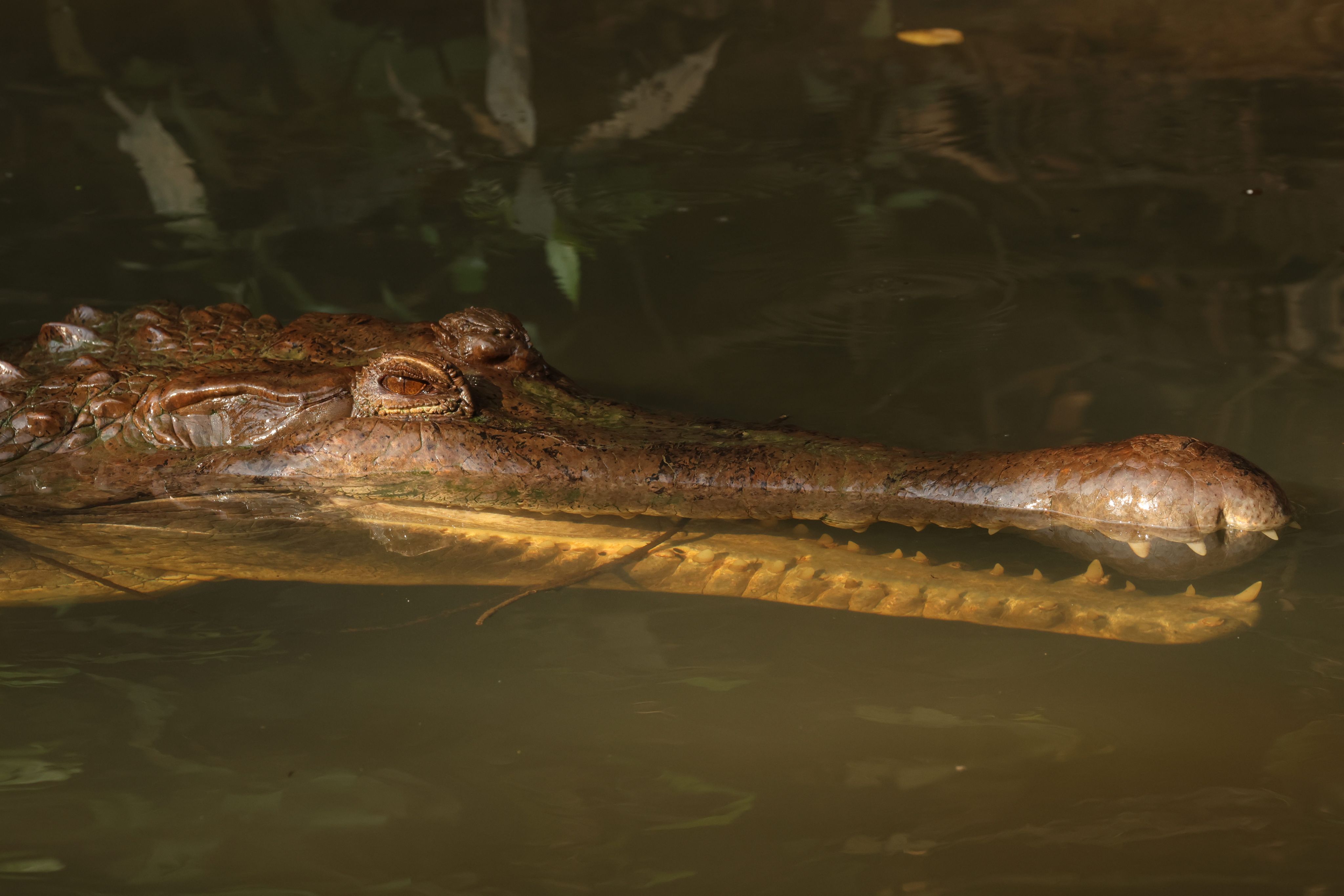
Submitted by Brandon Sideleau
Submitted by Brandon Sideleau
Submitted by Pranta Barua
Submitted by Pranta Barua

Submitted by Ulrike Kachel
Submitted by Ulrike Kachel
Submitted by Xiao Xiao
Submitted by Xiao Xiao
 Built with Shorthand